Rubbish Collection in London
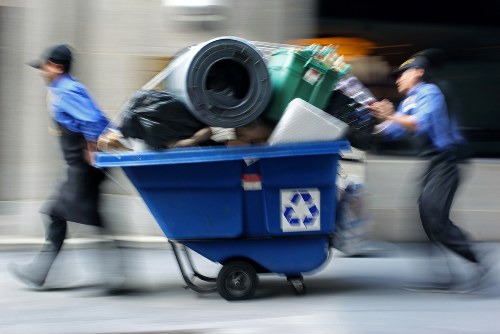
Rubbish Collection London provides straightforward waste removal for homes, landlords and businesses that need bags, loose rubbish, bulky items or mixed loads taken away with care. The service is designed to keep the process simple: we load the waste, separate what can be sorted for reuse or recycling where practical, and remove it from the property in one planned visit. That makes it a practical option when you want the job handled efficiently without arranging a skip or managing the lifting yourself.
Our work covers everyday rubbish collection as well as more awkward clearances such as furniture, appliances, builders’ debris and general household waste. The right approach depends on what needs removing, how it is stored, and whether access is straightforward, so the quotation stage is based on the actual load rather than a guess. If you already know the type of waste, a short description is usually enough to begin. Pricing and quotes can help you compare the likely scope of work before you decide how to proceed.
We aim to keep the service practical for customers who want a tidy finish and a clear next step. That may mean clearing a single item, taking away several bags after a declutter, or handling a larger mixed pile that has built up over time. If you are ready to plan a collection, contact us for a quotation and tell us what needs removing.
Everyday rubbish and general waste collection
General rubbish collection is the core of the service and is often the simplest option for mixed waste that does not need a specialist disposal method. It can include bagged household rubbish, packaging, broken household items, odds and ends from a clear-out, and other loose material that has become difficult to handle in one go. The aim is to remove what you no longer need while keeping the process organised and as tidy as possible.
For many customers, the main decision is whether the waste is best handled as a standard collection or whether it belongs in a more specific service such as bulky items or furniture removal. A precise description helps because mixed waste varies a great deal in weight, volume and handling requirements. If you can describe the number of bags, the type of items and any access issues, it is easier to prepare an accurate quotation and match the job to the right collection method.
When rubbish is spread across several rooms or stored in a garden, loft or garage, it still helps to group the items before the collection takes place. You do not need to sort everything into exact categories, but separating obvious reuse items from general rubbish can make the job cleaner and easier to assess. A few practical details are useful at the enquiry stage: what needs removing, where it is located, whether anything is heavy or awkward, and whether any items must stay behind. That gives us a more reliable basis for planning the work and explaining the quotation.
Bulky items, furniture and appliance removal

Large items often need more careful handling than bagged rubbish because they are bulky, heavy or awkward to move through tight spaces. Sofas, wardrobes, beds, tables, fridges and other substantial items may need extra lifting care and a sensible route out of the property. Our furniture and bulky item collections are intended to remove these pieces without forcing you to dismantle everything yourself unless that is necessary for safe access.
There is a difference between a simple item pickup and a fuller clearance of several pieces from a room or property. A single sofa, mattress or appliance may be straightforward, but a mixed load of furniture can involve more time on site, more handling and a different disposal plan. That is why it helps to be specific about the item type and quantity. If you are comparing disposal options, our service pages for sofa removal and mattress disposal show examples of the kinds of bulky items we can deal with.
Some bulky loads can be combined with other waste from the same property, particularly when you are clearing out rooms before decorating, moving or letting a property. In those cases, a broader collection may be more suitable than separate visits. Our furniture removal and collection page may be useful if your job centres on multiple pieces rather than one item. For white goods, the handling needs can be different again, so the type of appliance matters when a quotation is prepared.
Useful details before you request a quote

Before you ask for a quotation, it helps to prepare a few simple facts so the estimate reflects the real job. A short message can usually cover the item type, the approximate volume, the room or access point, and whether there are stairs, narrow hallways or shared entrances. If the waste is already bagged, saying how many bags there are is often enough; if it is loose, a brief description of the pile gives a better picture. This is also the point to mention anything delicate, heavy or sharp.
- Type of waste: bags, furniture, appliances, builders’ debris or mixed rubbish
- Approximate amount: a few items, several bags, one room, or a larger load
- Access details: stairs, lift, driveway, rear access or limited parking
- Any special points: fragile surroundings, very heavy items or items that must stay in place
That information helps keep the quotation clear and reduces the chance of surprises on the day. You do not need to write a long inventory unless the load is complex, but it is sensible to mention anything that could affect loading, lifting or disposal. If you are still deciding whether the waste belongs in a general collection or a more specific category, the best first step is to describe it plainly and ask for guidance. A brief, accurate note usually works better than trying to over-explain.
House clearance and property clearance
House clearance and property clearance services are suited to situations where there is more than a single pile of rubbish. That may include an entire room, multiple rooms, a flat, or items left behind after a move, refurbishment or tenancy change. The work can involve mixed contents rather than one defined category, so the emphasis is on sorting what stays, what goes, and how the contents should be handled with care.
These clearances often require a more considered plan than ordinary rubbish collection because the contents may include furniture, personal effects, domestic waste and reusable items together. The practical question is not simply how much there is, but how it is arranged and what type of access the property has. Our house clearance and property clearance pages are useful if your enquiry concerns a whole property rather than a single load.
When a property is partly cleared already, it can still be worthwhile to request a collection for the remaining items rather than trying to finish the job piecemeal. Mixed waste can be awkward when it is spread between rooms, loft spaces and cupboards, so a well-scoped quote should reflect the parts that still need removal. If the job involves inherited contents or a property that has remained untouched for some time, it is worth noting whether anything should be left in place and whether access must be arranged in advance. That detail helps the clearance proceed with less disruption.
Flat, loft and garage clearances

Smaller spaces can create their own challenges because rubbish is often stacked tightly, stored overhead or tucked behind larger items. Flat clearance, loft clearance and garage clearance typically need a sensible order of work so the items can be removed without unnecessary disturbance. The service may suit anything from a few bulky objects in a flat to accumulated household goods in a loft or garage that have built up over time.
Access is often the key factor in these jobs. A top-floor flat without a lift, a loft with limited headroom or a garage packed around fixed storage all affect how much time and lifting care the collection requires. Our flat clearance, loft clearance and garage clearance pages can help you match the type of space to the right service route. If the load includes awkward objects or mixed household waste, it is better to explain the layout early so the quotation reflects the effort involved.
These smaller clearances are often booked when people are making space for a move, preparing a room for use again or dealing with long-term storage that has become unmanageable. A concise description is usually enough: which area needs clearing, what is inside it, and whether there are any access restrictions. If you can add whether the items are mostly loose, bagged or bulky, the quote can be set out more clearly and the work can be planned around the actual room conditions.
Garden waste, builders’ waste and site tidy-ups
Rubbish collection is not limited to domestic interiors. Garden waste and builders’ waste often need different handling because they can be heavier, dirtier or more varied in composition than ordinary household rubbish. Garden clearances may include cuttings, soil, broken fencing, bags of green waste and other outdoor debris, while builders’ waste can include offcuts, plasterboard, packaging, tiles and general renovation waste. The aim is to clear the site so it can be used properly again.
Our garden waste clearance and builders’ waste clearance pages are suitable starting points if your job falls into one of those categories. They are especially useful when the rubbish is separate from normal household waste and needs to be handled as a distinct load. Because construction and garden materials vary so much, quoting from a clear description is more reliable than estimating from a vague label such as “a bit of wasteâ€.
For these jobs, it helps to mention whether the material is already bagged, stacked, loose or mixed with other items. That can influence loading time and the way the collection is arranged. If the area includes sharp waste, wet soil, broken timber or heavy rubble, say so at the outset so there is a fair basis for planning. Clear information at the start is the best way to make sure the right vehicle, labour and disposal method are matched to the load.
About London
London is a large and historically layered city on the River Thames, shaped by Roman, medieval, Georgian, Victorian and modern development over many centuries. Its boroughs and districts range from compact inner neighbourhoods to extensive suburban areas, with a street pattern that reflects older roads, later rail expansion and post-war rebuilding in different parts of the capital. The city’s architecture is similarly varied: Wren churches, terraces, dockland warehouses, civic buildings, stations, tower blocks and contemporary structures all sit within the same urban fabric. Major landmarks such as the Palace of Westminster, the Tower of London, St Paul’s Cathedral and the South Bank help define the city’s public identity, while smaller local high streets and squares give each district its own character. Parks and open spaces are also central to London life, from Hyde Park and Regent’s Park to neighbourhood commons, river walks and smaller gardens that break up the density of the built environment. The Thames remains one of the city’s strongest geographical features, with bridges, embankments and riverside paths linking north and south. Cultural life is equally wide-ranging, with theatres, galleries, museums, music venues, markets and community events spread across the capital. London’s role as a political, financial and transport centre has influenced how it grows, but it is also a city of distinct local places that retain individual histories, from former villages absorbed into the metropolis to docks, estates and market streets that still shape everyday movement and activity.
Waste recycling, sorting and disposal choices
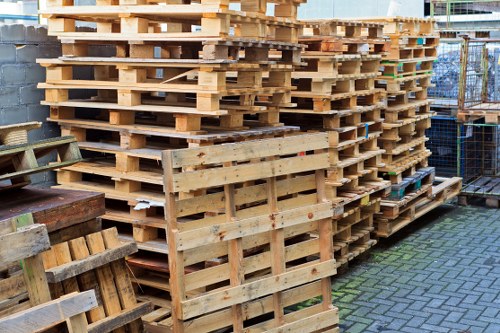
Not every collection is the same behind the scenes. Some waste can be separated for recycling or reuse, while other materials need to be directed to the correct disposal route. That is why a careful description of the load is useful: it helps identify whether the work is mainly about general rubbish removal, item-specific disposal or a mixed collection that includes several material types. Where practical, our approach is to sort the load in a responsible way before it leaves the property.
If the waste contains a mix of reusable items, cardboard, wood, metal, plastic or general household rubbish, it is helpful to know that in advance. The detail matters because it can affect how the collection is prepared and whether one service page is a better fit than another. Our recycling and sustainability page explains the wider approach to sorting waste, while waste disposal is a useful reference when the question is simply how the material should be removed and dealt with properly.
Customers often want a clean result as much as a removed load, so the work is usually aimed at leaving the area clear, swept and ready for the next stage where possible. If the waste includes items that may be handled differently from ordinary rubbish, such as appliances or specialist materials, it is best to mention them separately rather than lumping everything together. That makes the quotation more accurate and helps ensure the collection is organised around the actual contents of the job rather than a broad assumption.
Business waste and office clearances
Commercial rubbish collection needs to be arranged with different priorities from a domestic job because workplaces often have time constraints, shared access and mixed material types. Business waste removal may involve packaging, redundant office items, files, shelving, furniture or general waste from a premises that is closing, moving or being reorganised. The service is intended to keep disruption low while removing the items that no longer need to stay on site.
If your work is based in a shop, office or other commercial setting, it is useful to specify whether the collection concerns one room, several floors or a full clearance. A small office tidy-up can be very different from the emptying of a whole suite, so the quotation should reflect the layout and the type of waste. Our business waste removal, office clearance and commercial waste collection pages are the most relevant starting points for commercial enquiries.
For businesses, advance detail is especially valuable when items are stored in back rooms, upper floors or shared corridors. A clear note about access times, loading points and the sort of waste involved helps us plan the collection sensibly. If you are combining office furniture, paper waste and general rubbish, it is worth saying so in one message rather than splitting the information across several enquiries. One clear summary is often enough to move a quotation forward.
How to arrange the right collection
The most useful way to arrange a collection is to start with the actual waste rather than the idea of the job. Whether you need a one-off rubbish pickup, a furniture removal or a broader clearance, the quotation is easier to prepare when the quantity, type and access are described plainly. If there are items that should not be moved, mention those too so the scope is properly defined from the beginning.
It is also sensible to think about the likely service category before you enquire. A standard rubbish collection is suitable for mixed general waste, while the more specific pages can be better when the load is clearly made up of furniture, mattresses, builders’ debris or commercial contents. If you are unsure, ask with a short description and let the service fit the material. Rubbish collection remains the broadest option when the load is mixed or not yet neatly classified.
If you are ready to move forward, the next step is simple: send a clear description, explain the access, and ask for a quotation. For a more detailed conversation about the work, contact us and include the key points in one message. We can then help identify the most suitable collection type and keep the process straightforward from start to finish.