Recycling and Sustainability at Rubbish Collection London
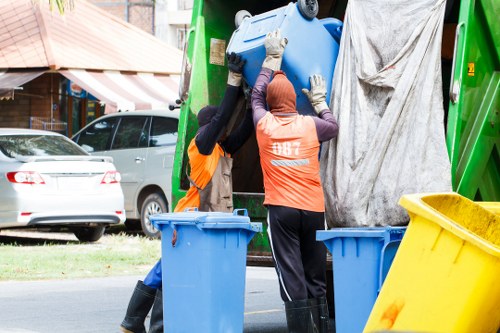 Rubbish Collection London is committed to helping households, landlords, and businesses handle waste in a way that supports a cleaner city and a lower-carbon future. Our approach to recycling is built around practical action: sorting materials carefully, reducing avoidable disposal, and choosing routes and partners that keep useful items in circulation for longer. Across the capital, sustainability depends on more than collection alone; it relies on consistent separation, responsible transfer, and a mindset that treats waste as a resource rather than a burden.
We work with a clear recycling percentage target designed to encourage better recovery of reusable materials from mixed waste streams. By improving separation and diverting more items from landfill, we aim to raise the proportion of collected waste that is sent for reuse, recycling, or specialist processing. This target supports our broader recycling London services, helping to reduce emissions and keep valuable materials such as metals, cardboard, timber, and selected plastics moving through the local circular economy.
London’s boroughs each take a slightly different approach to waste separation, and that matters when planning an effective rubbish collection London service. Some areas encourage more detailed separation of dry mixed recycling, while others place greater emphasis on food waste recovery, garden waste, or dedicated collections for bulky items and electronics. We align our operations to these local expectations, making it easier for clients to sort materials correctly and send them to the right downstream facility.
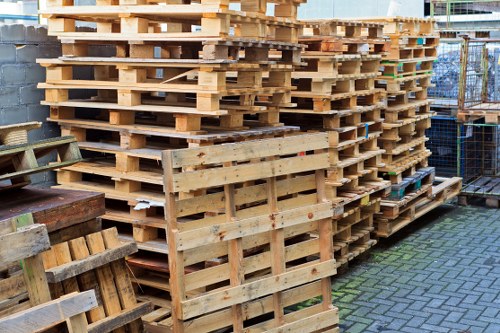 A key part of our sustainability model is the use of local transfer stations. These facilities shorten travel distances between collection and processing, which helps lower fuel use and speeds up the sorting process. Rather than moving waste unnecessarily across the city, our teams direct loads to the most suitable transfer point for onward handling. That practical step supports efficient Rubbish Collection London operations and gives us a stronger route to maximising recycling outcomes.
At these transfer stations, waste can be separated by material type, with recyclable loads isolated from residual waste as early as possible. This is particularly useful for construction clearances, office clear-outs, and household collections where materials may include scrap metal, clean wood, cardboard, and plastics. The quicker these items are identified, the more likely they are to be recovered and reprocessed rather than lost in a general disposal stream.
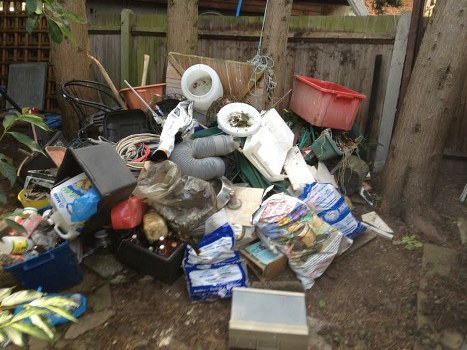 Another important strand of our recycling and sustainability work is our collaboration with charities and reuse organisations. Before items are treated as waste, we look for opportunities to pass on furniture, household goods, office equipment, and other usable items to partners that can give them a second life. This supports community benefit, extends the lifespan of products, and reduces the environmental impact associated with producing replacements. In many cases, reuse is the most sustainable form of recycling because it prevents waste before it starts.
These partnerships are especially valuable for items that are still in good condition but no longer needed by the original owner. Chairs, tables, shelving, small appliances, and similar pieces can often be redirected away from disposal through careful assessment and charitable channels. The result is a more responsible recycling service London businesses and residents can rely on, with less pressure on landfill and greater social value built into each collection.
Our fleet also plays a major role in lowering environmental impact. We operate low-carbon vans designed to reduce emissions compared with older, less efficient vehicles. Choosing cleaner vehicles supports a greener rubbish collection London network by cutting pollution on busy urban routes and making collections better suited to the city’s sustainability goals. Combined with route planning and load optimisation, these vans help us make each journey as efficient as possible.
The benefits extend beyond carbon savings. Quiet, efficient vehicles are easier to deploy in densely populated neighbourhoods and help reduce disruption during early-morning or high-frequency collection work. For clients seeking a more sustainable waste solution, the vehicle choice is a visible sign that the service is designed with long-term environmental responsibility in mind, not just speed and convenience.
 We also focus on specialist recycling activity that reflects the variety of waste produced across London. In some boroughs, this means careful handling of mixed dry recycling, while in others it involves separating food waste, green waste, and recoverable household materials with greater precision. On commercial jobs, we may sort archive paper, office packaging, scrap metal, and end-of-life equipment for different recovery routes. This attention to material type improves the quality of recycling and supports better downstream processing.
Where possible, we also separate items that require dedicated treatment, such as electricals, batteries, and bulky waste components with recyclable parts. Keeping these streams apart helps prevent contamination and improves the chance that valuable materials can be recovered safely. It also supports a cleaner, more consistent recycling London system, especially in areas where mixed waste from different property types must be handled quickly and efficiently.
 Sustainability is not a single action but a chain of small, well-managed decisions: choosing reuse before disposal, separating waste correctly, sending loads to nearby transfer stations, supporting charities, and using low-carbon vans for collection. Together, these steps create a more resilient Rubbish Collection London service that responds to local needs while aiming for higher recycling rates and lower emissions. As London continues to refine borough-level waste separation and recovery practices, our goal is to stay aligned with best practice and keep improving the environmental performance of every collection.