Complaints Procedure for Rubbish Collection London
 A clear complaints procedure for rubbish collection in London helps households and businesses raise concerns in a structured way when waste services do not meet expectations. Whether the issue involves missed collections, damaged containers, overflowing bins, or repeated delays, a proper process ensures problems are reviewed fairly and resolved efficiently. A well-managed rubbish collection complaint process should be simple, transparent, and consistent, allowing residents to explain what went wrong and what outcome they are seeking.
Before submitting a complaint, it is helpful to record the basic details of the issue. This may include the date of the missed pickup, the type of waste affected, the location of the bin, and any visible signs that the collection was incomplete. Clear information makes it easier for the service provider to identify patterns and investigate the cause. In many cases, a complaint is not only about a single incident but about a repeated service failure that needs to be addressed through a formal review.
Most rubbish collection complaints begin with an initial report, followed by an assessment of whether the service issue can be corrected quickly. If the problem is straightforward, such as a one-off missed round, the matter may be logged and scheduled for follow-up collection. If the issue is more serious, for example repeated non-collection or unsafe handling of waste, it may move into a more detailed complaint stage. The purpose of this step is to separate immediate operational fixes from formal grievance handling.
How the Complaint Process Usually Works
 A standard London rubbish collection complaints procedure generally starts with the complaint being acknowledged and assigned a reference or case number. This helps track progress and prevents the issue from being lost in the system. The complaint is then reviewed by the relevant team, which may check collection records, route information, and any internal notes from drivers or supervisors. The review should focus on facts, not assumptions, so that the outcome is based on evidence.
If the investigation confirms a service error, the next step is to decide on a remedy. This may involve arranging another collection, inspecting the area, correcting a recurring operational issue, or improving communication between teams. In more complex cases, the complaint may require several days of review before a final response is issued. During this period, the complainant should be kept informed about the status of the case and any action already taken.
Strong complaint handling depends on clear timeframes and consistent records. Even when an issue cannot be resolved immediately, the customer should know that the complaint has been received, what is being checked, and when a response is expected. This is especially important for refuse collection complaints that affect multiple properties or create hygiene concerns. A good procedure balances speed with accuracy, ensuring the problem is not dismissed without proper review.
What to Include in a Complaint
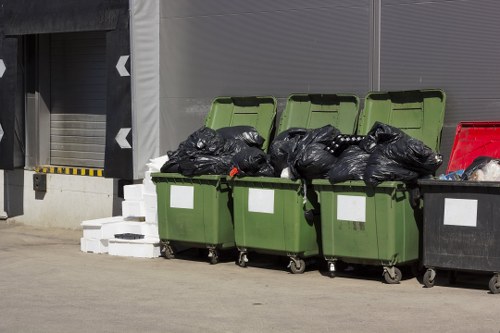 To make a rubbish collection London complaint more effective, the details should be specific and organised. Include the address or collection point, the date and time of the missed or poor collection, the type of waste involved, and a short explanation of the impact. If the complaint relates to repeated problems, mention earlier incidents and how often they have occurred. Supporting evidence such as photographs can also help show the condition of the bins or collection area.
It is also useful to explain what outcome is being requested. For example, the complainant may want the waste collected promptly, a reason for the failure, or confirmation that the issue will not happen again. A well-written complaint should be factual and calm, avoiding unnecessary detail while clearly describing the problem. The more precise the report, the easier it is for the service provider to assess responsibility and take action.
In formal refuse collection procedures, complaints may be prioritised according to their seriousness. Health-related concerns, blocked access, or repeated missed services may be handled more urgently than minor delays. The complaint process should therefore include a way to identify priority cases and escalate them if needed. This prevents minor administrative issues from overshadowing more serious service failures.
Escalation and Review
A reliable rubbish collection complaints process should allow escalation if the initial response does not solve the issue. If a complainant believes the matter was not handled properly, they may request a further review of the decision or ask for the complaint to be reassessed by a senior team. Escalation should not be seen as confrontation; rather, it is a standard part of fair service management when the first response is incomplete or unsatisfactory.
During a review, the provider should check whether procedures were followed correctly and whether the original response addressed the key concern. In some cases, the complaint may reveal an underlying operational problem such as route planning errors, staffing shortages, or communication breakdowns. Identifying these causes is important because it helps reduce repeated complaints and improve future service reliability. A good complaint system therefore supports both resolution and service improvement.
Where necessary, the final stage may include a written explanation of the outcome, any corrective steps already taken, and whether further action will be taken. This closing response should be clear and respectful, showing that the complaint was taken seriously. Even if the outcome does not fully meet expectations, a well-handled process can still provide reassurance that the issue was properly investigated.
Why a Fair Procedure Matters
 A fair London rubbish collection complaint procedure protects both service users and service providers. It gives residents a channel to report problems, while also helping waste teams identify weaknesses and improve operations. When complaints are handled consistently, trust in the service increases and misunderstandings are reduced. This is particularly important in busy urban environments where waste collection affects cleanliness, access, and public confidence.
Clear complaint handling also helps prevent small issues from becoming larger disputes. A missed pickup that is acknowledged quickly is less likely to turn into a repeated source of frustration. Likewise, a documented complaint can highlight trends that would otherwise go unnoticed. By reviewing complaints carefully, service teams can improve scheduling, communication, and overall reliability.
Ultimately, an effective rubbish collection London complaints procedure should be easy to follow, fact-based, and focused on resolution. It should allow people to raise concerns without unnecessary complexity and ensure each case receives proper attention. When complaints are managed well, the process supports better waste services, safer surroundings, and a more dependable collection system for everyone involved.
Final Notes on Complaint Handling
 A strong refuse collection complaint process does not rely on lengthy explanations or complicated steps. It relies on accurate reporting, timely review, and a fair outcome. By keeping the procedure straightforward and consistent, service providers can respond effectively to concerns while maintaining public confidence in waste collection standards.