Litter Clearance in London
Fast, reliable help for homes, landlords, businesses, and outdoor spaces

If you need Litter Clearance in London, you are likely dealing with more than just an untidy patch of ground. You may be looking at a front garden that has collected windblown rubbish, a communal yard that keeps filling with takeaway waste, a retail frontage that needs tidying before opening hours, or an open space that has been left strewn with litter after a busy weekend. In a city as active and densely populated as London, litter can build up quickly, and when it does, it affects appearance, safety, and how people use the space.
A local litter clearance service is designed to make these spaces usable again without hassle. Whether the work is in a terraced street in South London, a townhouse courtyard in Kensington, a block of flats in East London, or a commercial forecourt in North London, the right team can remove loose waste efficiently and leave the area clear, swept, and ready for use. Local knowledge matters here because access can be tight, parking can be limited, and many London properties have shared entrances, basement access, or awkward collection points.
For homeowners, landlords, managing agents, shopkeepers, and site managers, this service is often about speed, convenience, and presentation. It can also be about preventing bigger problems: blocked drains, pests, complaints from neighbours, trip hazards, or local authority attention. If you want the area dealt with properly, book a professional litter clearance service in London and get the job handled by a team used to working in busy urban settings.
What litter clearance covers
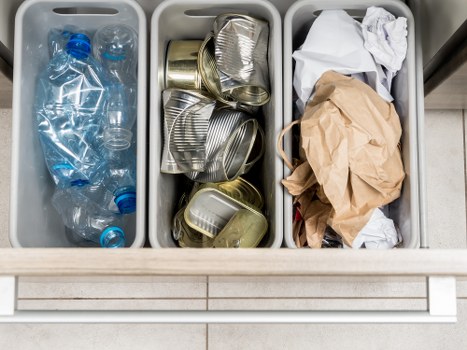
Litter clearance can mean different things depending on the location and the amount of waste involved. In many cases, it involves collecting loose rubbish from the ground, bagging it safely, loading it for removal, and leaving the area clean. It is often more thorough than a quick tidy-up because it may include checking under bushes, behind bins, along fences, beside walls, and around entrances where litter tends to gather.
Typical materials removed during litter clearance in London may include paper, plastic bottles, food packaging, cans, broken household waste, cigarette ends, disposable cups, takeaway containers, and windblown debris. In some cases, it also includes light fly-tipped items that are mixed in with the litter, such as a small number of bags, flattened boxes, or miscellaneous rubbish left beside bins or in shared spaces.
It is important to note that litter clearance is not the same as a full construction clearance or a specialist hazardous waste collection. A good service provider will be clear about what can be taken, what needs separate handling, and what the job involves before starting. That honesty helps customers choose the right service and avoids misunderstandings on the day.
Suitable for many property types
London has a huge variety of property types, and each one creates different litter issues. Detached homes in suburban areas may have front gardens or side access paths that collect debris. Flats often have shared bin stores, communal walkways, and rear yards that need regular attention. Commercial properties such as restaurants, cafes, bars, offices, and shops can also benefit from scheduled or one-off clearance to keep their surroundings tidy and welcoming.
Outdoor spaces such as private roads, loading bays, car parks, school grounds, and small communal gardens can also suffer from recurring litter. A local team can work around the site layout and remove waste efficiently without causing disruption to residents, staff, or customers.
Why litter builds up so quickly in London

London is busy all year round. People move through streets, stations, parks, estates, high streets, and commercial districts at all hours. That constant activity creates more opportunities for litter to appear. Takeaway packaging, drink containers, flyers, shopping bags, and general debris can be dropped accidentally or left behind after events, deliveries, or everyday foot traffic.
Weather plays a role too. Strong wind can lift lightweight waste from open bins or poorly secured bags, spreading it across pavements, communal gardens, and driveways. In rainy conditions, rubbish can gather in corners, under hedges, or near drains. In colder months, when outdoor spaces are less used, litter can sit unnoticed and become more difficult to deal with later.
For landlords and managing agents, London’s housing patterns can make the issue more noticeable. Shared entrances, bin areas, and narrow passages often see repeated use, which means they also see repeated mess. If rubbish is left too long, it can affect the impression of the whole property. For businesses, the same applies to customer-facing areas where first impressions count. That is why many local customers look for litter clearance London services that can respond quickly and work around urban routines.
Common situations where litter clearance helps
There are many practical reasons people book this service:
- After a busy weekend in a shared courtyard or garden
- Before a property inspection, tenant move-in, or move-out
- After events, deliveries, or outdoor gatherings
- To tidy shopfronts, forecourts, and customer walkways
- To maintain school, care home, or office grounds
- To clear around bins, fencing, and boundary lines
- To refresh a space before maintenance, gardening, or decorating
How the service works

The process is usually straightforward, which is one reason customers value a professional team. First, you explain the location, the type of litter, and the approximate size of the area. From there, the provider can assess the work needed and give you a quote based on the details you share. In some cases, photos are enough to understand the scope. In others, especially on larger or more complex sites, a site visit may be helpful.
Once the booking is arranged, the team arrives with the tools, bags, and transport needed to clear the waste safely. They will usually start by identifying the main littered areas, removing loose rubbish, and ensuring that bags are managed correctly during collection. Depending on the location, they may also sweep the area and do a final check so that small debris is not left behind.
The aim is to leave the site cleaner, safer, and more presentable than when the team arrived. For many customers, the biggest benefit is not just the removal of rubbish, but the relief of having the job handled quickly and properly by people who understand London properties and access issues.
What makes local service especially useful
Local teams are often better placed to deal with everyday London challenges. These can include restricted parking, controlled parking zones, one-way systems, narrow streets, stair access to basement areas, gated developments, and limited loading windows. In areas such as Camden, Islington, Hackney, Lambeth, Westminster, Southwark, Tower Hamlets, Wandsworth, and nearby boroughs, practical knowledge of how to work efficiently can save time and reduce disruption.
A service that understands the city can plan around busy roads, resident permits, school runs, and commercial opening hours. That flexibility is valuable if you need litter removed from a property where access is difficult or where the work has to fit around customers, tenants, or staff.
What is included in a professional litter clearance
Although every job is different, a proper litter clearance service usually includes a clear and organised approach to removing loose waste from the site. Customers often want to know exactly what they are paying for, so it helps when the service is explained in practical terms.
Typical inclusions may be:
- Collection of loose litter and general rubbish from the agreed area
- Bagging and safe handling of waste
- Loading and removal from the site
- Basic sweeping or tidying after collection
- Attention to corners, edges, and concealed spots where litter gathers
- Clear communication about any items that need different handling
Depending on the site, the service may also include clearing around bin areas, removing litter from communal access routes, tidying forecourts, and dealing with debris in gardens, yards, or car parks. If the space has a lot of loose waste, the team may work systematically through sections so that nothing gets missed.
What may need separate attention
Not every type of waste can be handled as part of standard litter clearance. Heavy rubble, building materials, sharp objects, electrical items, or potentially hazardous materials may require separate arrangements. If you are unsure what is in the pile, it is best to mention that at the quoting stage so the team can advise honestly and safely. This is particularly important in London, where mixed waste is common in alleyways, shared rear access points, and busy commercial loading areas.
Clear expectations make the job smoother, especially when access is limited or the litter has spread into multiple sections of the property.
Who uses litter clearance services in London
There is no single type of customer for this service. In practice, the need comes from many different people and organisations across the city. A good local provider should be comfortable working for residential and commercial clients alike, adapting the approach to suit the property and the urgency of the job.
Residential customers
Homeowners and tenants often need help when litter accumulates in front gardens, driveways, patios, side return spaces, or shared outdoor areas. This can be especially useful after party waste, seasonal gatherings, or long periods of bad weather when the area has been neglected. For people with limited time, mobility issues, or a lack of suitable disposal options, professional help can be the simplest way to restore order.
Landlords and letting agents
Vacant properties, end-of-tenancy situations, and shared blocks of flats often require fast, reliable litter removal. A cleared and tidy exterior helps a property look cared for, which can support viewings, tenant turnover, and routine management. In London, where flats and HMOs are common, litter in communal areas can become a recurring issue that benefits from regular attention rather than occasional panic cleaning.
Businesses and commercial sites
Shops, restaurants, pubs, offices, warehouses, and hospitality venues often need litter removal to keep customer-facing areas clean. For businesses on busy streets or near transport hubs, litter can build up daily. A tidy exterior helps protect the image of the business, supports hygiene, and creates a more pleasant environment for staff and visitors.
Local councils, contractors, schools, housing associations, and site managers may also need help clearing outdoor areas after works, events, or routine use. In each case, the priority is the same: get the space clean with as little disruption as possible.
Why choose a local London company
Choosing a local company for litter clearance in London has practical advantages beyond simple convenience. London is not a one-size-fits-all city. A route that works in one borough may be inefficient in another. Parking that is available on one street may be impossible two turns away. Shared entrances, concierge arrangements, and managed estates all add complexity that local teams are often better prepared to handle.
Benefits of a local provider include:
- Faster response times for urgent or short-notice jobs
- Better understanding of borough-level access and parking conditions
- Experience working on terraces, estates, shopfronts, and commercial yards
- More flexible scheduling around busy urban timetables
- Practical awareness of how litter behaves in exposed city spaces
For many customers, the right provider is one that arrives prepared, communicates clearly, and works efficiently without needing hand-holding. That is especially helpful in London, where residents, tenants, and businesses often have little spare time to chase up ongoing mess. A dependable local team can take the pressure off and make the job straightforward from start to finish.
Good service should feel organised
You should expect the team to ask sensible questions about access, the type of waste, the size of the area, and whether there are any restrictions on site. Good preparation reduces delays and makes it easier to complete the work neatly. If the litter is in a shared courtyard, a commercial forecourt, or beside a block of flats, it is useful when the team respects residents, neighbours, and site operations while working.
Areas covered across London
Litter clearance can be arranged across many parts of the capital, from central districts to outer boroughs. The most useful local service is one that can travel across multiple zones and still understand the different types of properties found there.
Areas often covered include:
- Central London locations such as Westminster, Soho, Holborn, and the City fringe
- North London areas including Camden, Islington, Barnet, and Haringey
- East London neighbourhoods such as Hackney, Tower Hamlets, Newham, and Waltham Forest
- South London areas including Lambeth, Southwark, Lewisham, Wandsworth, and Greenwich
- West London locations such as Kensington, Chelsea, Hammersmith, Ealing, and Brent
- Outer borough and suburban districts where gardens, driveways, estates, and retail parks need attention
If your area is not listed above, it may still be covered. London is large, and many service providers work across multiple boroughs to support both residential and commercial customers. The key is to ask for a quote with the exact location and access details so the provider can confirm whether the job can be handled efficiently.
Local property challenges we understand
Some of the most common site issues in London include narrow alleys, limited parking near estates, locked gates, basement access, communal bin storage, and restricted loading times. A team that works in the city regularly will already be used to these conditions. That means less time spent figuring out the layout and more time spent clearing the litter properly.
How to prepare for your litter clearance appointment
Most of the work will be handled by the clearance team, but a few simple steps can make the visit smoother and more efficient. Preparation is especially useful in London, where access is often shared or time-sensitive.
Preparation checklist:
- Identify the exact area that needs clearing
- Remove any items you want to keep from the site
- Make gates, doors, or access codes available if needed
- Let neighbours or building management know if access will be shared
- Tell the team about any parking, loading, or time restrictions
- Point out anything unusual, such as sharp debris or mixed waste
If the litter is in a rear alley, communal garden, or service yard, it helps to give a brief description of how the space is reached. For blocks of flats and managed developments, the cleaner or caretaker may already know the easiest route in. For shops and restaurants, it may be useful to arrange the service outside the busiest trading periods so that customers and staff are not disturbed.
Simple preparation can save time and help the team get on with the job as soon as they arrive.
Pricing factors: what affects the cost
Customers often want a clear idea of what influences the cost of litter clearance, and that is fair. While exact prices depend on the details of the job, several common factors usually affect the quote. Being upfront about these details helps the provider give a more accurate estimate and avoids surprises later.
Main pricing factors
- Size of the area - A small front garden will cost less to clear than a large car park or estate courtyard.
- Amount of litter - Light surface litter is quicker to remove than heavy, scattered waste.
- Type of waste - Mixed waste may take longer to sort, especially if some items need separate handling.
- Access conditions - Narrow stairs, long carry distances, basement entry, or limited parking can affect labour time.
- Urgency - Same-day or short-notice requests may need quicker scheduling.
- Site complexity - Multi-level properties, shared spaces, and busy commercial sites can take longer to manage safely.
For many London customers, the most helpful approach is to share photos and a short description of the area. That allows the company to assess the work more accurately and explain what is included. If the site is part of a managed building, it is useful to mention whether there are access rules, security checks, or specific collection times.
Request a free quote with as much detail as possible so the service can be matched to the job properly.
Health, safety, and environmental care
Litter clearance is not just about appearance. It also supports safer and healthier spaces. Loose rubbish can attract pests, create odours, block drains, and make walkways less pleasant to use. In shared residential areas, it can also lead to complaints between neighbours or questions from building managers. In business settings, it may affect customer confidence and staff wellbeing.
A professional team should work with care, especially when waste is mixed or when the site includes broken glass, sharp packaging, or heavier items hidden among the litter. Good practice includes wearing suitable protective equipment, lifting items carefully, and making sure waste is loaded and removed responsibly. Where relevant, the team should also consider the condition of the surrounding area, including paths, entrances, and any spots where debris has blown into planting beds or against walls.
Environmental responsibility matters too. Waste should be sorted and taken to the appropriate disposal route whenever possible. That helps reduce unnecessary landfill and keeps the service aligned with good local standards. Customers who care about their property and surroundings often appreciate a team that takes these responsibilities seriously.
Why timely clearance helps the wider area
When litter is removed quickly, the whole space tends to stay more orderly. Clean areas discourage further dumping and make it easier to spot new rubbish before it accumulates. That can be particularly useful around shopfronts, communal bin stores, and estate entrances where litter often appears in repeated patterns.
Frequently asked questions
How quickly can litter be removed?
That depends on availability, location, and the size of the job. Smaller clearances can often be arranged promptly, while larger or more complex sites may need a little more planning. If you need urgent help, mention that when requesting a quote.
Can you clear litter from communal areas?
Yes, communal spaces are a common part of the work. Shared gardens, bin stores, alleyways, entrances, and walkways can all be cleared as long as access is agreed and the waste is suitable for collection.
Do I need to sort the rubbish first?
Usually no. In most cases, the team will assess what is there and remove the agreed waste. If the area contains items that may require special handling, it is best to mention them in advance.
Is this service suitable for businesses?
Absolutely. Shops, cafes, restaurants, offices, and other commercial premises often need regular or one-off litter removal to keep entrances and customer areas tidy. It can be arranged around opening hours or quieter periods.
What if the area is hard to access?
Many London properties are difficult to access, and that is not unusual. Narrow entrances, limited parking, and restricted loading areas can usually be managed with good planning. Provide the details early so the service can be organised efficiently.
Can you help with one-off and repeat visits?
Yes. Some customers only need a single clearance after a particular event or tenancy change, while others prefer regular visits to keep a site under control. The right schedule depends on how quickly the area accumulates waste.
Book your litter clearance in London
If your outdoor space, communal area, frontage, or commercial site is looking untidy, there is no need to let the problem build up. A prompt, local litter clearance in London service can remove the waste, improve the appearance of the area, and help you avoid the inconvenience of dealing with it yourself.
Whether you are a homeowner trying to restore a front garden, a landlord preparing for new tenants, or a business owner wanting a cleaner customer entrance, the service can be tailored to your needs. The most important steps are simple: explain the area, describe the waste, mention any access issues, and ask for a quote.
Contact us today to request a free quote, discuss your site, and arrange the litter clearance that suits your schedule. If you want a tidy, presentable space without the stress, book your service now and let a local team handle the rest.