Garbage Collection in London
If you need reliable Garbage Collection in London, you probably want something simple: a team that arrives when expected, handles the waste carefully, and makes the whole process easier from start to finish. That may sound straightforward, but in a city like London, waste collection can quickly become complicated. Tight streets, controlled parking zones, stair-only flats, basement storage rooms, shared estates, mixed-use buildings, and busy commercial schedules all create practical challenges that need a local approach.
Whether you are clearing out a flat in Islington, managing trade waste near Canary Wharf, emptying a shop unit in Kensington, or dealing with household rubbish after a move in Southwark, the right service should fit the realities of London life. A good local waste team understands access issues, building rules, timing constraints, and the different demands of homes, landlords, offices, retail units, and construction properties.
This page is designed to help real customers understand what is included, how the service works, what affects pricing, and when to book. If you are planning a one-off clearance or need regular waste removal support, contact us today to request a free quote or book your service now.
Why garbage collection matters in a busy city
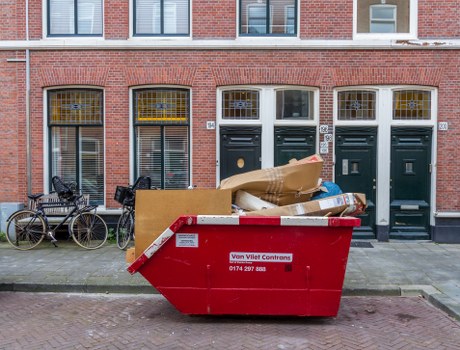
In London, rubbish builds up quickly. Small spaces, fast turnover in rental properties, busy households, and commercial premises with limited storage all mean that waste can become a problem sooner than people expect. Delayed collection can cause odours, blocked access, hygiene concerns, and stress for residents, tenants, and business owners alike.
Professional garbage collection is not just about removing unwanted items. It is about keeping properties usable, safe, and presentable. For households, that can mean clearing unwanted furniture, old appliances, bagged rubbish, garden waste, or post-renovation debris. For businesses, it may include cardboard, office waste, packaging, broken fixtures, or accumulated rubbish after a refit, closure, or relocation.
London customers often need a service that works around real life. That means flexible scheduling, practical loading, and careful handling in places where access is not always easy. A local team can often respond more efficiently because they already understand the layout and pace of the city, from terrace houses in Battersea to warehouse units in Park Royal.
Who our London waste collection service is for

Garbage Collection in London is useful for a wide range of customers. Many people assume it is only for house clearances, but the service is just as valuable for landlords, letting agents, facilities managers, shop owners, office administrators, and contractors who need a dependable way to remove waste without disrupting the day.
Here are some of the most common customers who request local rubbish collection:
- Homeowners and renters clearing unwanted items, general rubbish, or bulky waste.
- Landlords and agents preparing properties between tenancies.
- Offices removing desks, chairs, packaging, paper waste, and outdated equipment.
- Retail and hospitality businesses dealing with stockroom waste, refurbishments, or routine rubbish removal.
- Builders and tradespeople needing post-job site clearance or mixed construction waste collection.
- Property managers handling communal areas, bin stores, and estate waste issues.
Every property type brings different challenges. A Victorian conversion in Hackney might require carrying items down narrow staircases. A riverside apartment in Greenwich may involve lift access restrictions and managed-building rules. A business in the West End may need collection outside working hours to avoid upsetting staff or customers. A local service should adapt to these realities instead of expecting the property to adapt to the service.
What is included in a garbage collection service

Customers often want to know exactly what happens during a collection. While every job is different, a typical waste collection service should be clear, organised, and focused on removing the agreed items with minimal disruption.
Common inclusions can cover:
- Loading and removal of rubbish from inside or outside the property
- Collection of bulky items such as furniture, mattresses, and white goods
- Removal of bagged household waste
- Collection of office or commercial rubbish
- Handling of mixed waste from clear-outs, moves, or refurbishments
- Responsible disposal of collected materials
- Careful working in stairwells, corridors, shared entrances, and service areas
In many cases, the service can also help with awkward access. That may mean moving items from a top-floor flat, removing rubbish from a rear garden, or collecting waste from a basement storage area. A good team will discuss access beforehand so that the collection can be completed smoothly and safely.
It is always wise to check what is and is not included before booking. Some items may need specialist handling, and some buildings may have rules about collection times, lifts, loading bays, or parking permits. Clarity at the start helps avoid delays and ensures the work fits the property’s requirements.
How the service works from enquiry to removal

The process should be easy for customers. Most people looking for local waste removal do not want a long complicated experience; they want practical help and a straightforward booking. That is especially true in London, where schedules are tight and properties often have restricted access windows.
A typical service process may look like this:
- Tell us what needs collecting — describe the rubbish, the property type, and the access conditions.
- Share useful details — mention stairs, parking restrictions, lifts, loading bays, or time limits.
- Receive a quote — based on the waste type, volume, labour required, and collection complexity.
- Choose a convenient time — often arranged to fit home schedules or business operations.
- Collection day — the team arrives, loads the waste, and removes it for disposal.
- Final clearance — the area is left tidier and ready for its next use.
For many London properties, the biggest benefit is saving time. Instead of making multiple trips to a reuse centre or dealing with transport and lifting yourself, a collection team can handle the heavy work in one visit. That matters whether you are clearing a small flat in Clapham or removing leftover stock from a shop unit in Stratford.
Request a free quote if you want a service tailored to your property, rather than trying to fit the job into a one-size-fits-all approach.
Why local knowledge makes a difference in London

London is not an easy city for waste collection. Parking can be limited, roads may be narrow or congested, and properties often sit in controlled or shared environments. That is why local knowledge matters. A team that regularly works across London is more likely to understand how to plan around these conditions and avoid unnecessary delays.
Local experience can be especially useful in areas such as:
- Central London districts with strict loading restrictions
- Residential streets in areas like Camden, Fulham, and Walthamstow
- Managed apartment buildings in Canary Wharf, Nine Elms, and Battersea
- Commercial premises in Shoreditch, Soho, and the City
- Mixed residential-commercial streets across South London and East London
A local waste team usually knows what questions to ask before the visit. Is there a lift? Is the item in a basement? Can a vehicle stop outside? Is there a concierge or building manager? Do the items need carrying through communal areas? These details matter because they affect planning, labour, and timing.
Choosing a company with local experience also means better awareness of London’s different property types, from terraced homes and maisonettes to modern flats, converted houses, industrial units, and office floors. That practical understanding can make a big difference on collection day.
Residential garbage collection for homes and flats
Home rubbish removal is one of the most common reasons people arrange garbage collection in London. Whether you are decluttering, moving, downsizing, renovating, or simply trying to clear out a property that has gathered too much waste, a professional collection service can save time and reduce stress.
Typical residential jobs include old sofas, wardrobes, broken beds, mattresses, bagged rubbish, small appliances, boxes, unwanted toys, general clutter, and leftover items from a tenancy changeover. In London flats, the challenge is often not the rubbish itself but the access to it. Narrow staircases, limited parking, and busy communal hallways can make removal difficult without proper planning.
Common home collection situations
- End-of-tenancy rubbish clearances
- Loft, garage, or shed clear-outs
- Items left after a house move
- Furniture removal before new purchases arrive
- Garden and outdoor waste collection
- Post-renovation rubbish and packaging
For customers in London, a key benefit is convenience. You do not need to hire transport, lift heavy items yourself, or spend your weekend making repeated disposal trips. If you are in a top-floor flat in Kilburn or a converted townhouse in Hammersmith, having items collected from inside the property can make the whole task feel much more manageable.
Commercial garbage collection for London businesses
Businesses across London generate waste every day, and not all of it is suited to standard bin collections. Offices, shops, salons, cafés, restaurants, clinics, and workshop units may need occasional or regular rubbish removal to keep the premises running smoothly.
Commercial customers often need service that respects operating hours and customer flow. For example, a retail unit may prefer collection before opening or after closing. An office may need old equipment removed at a time that does not interrupt staff. A hospitality venue might require discreet clearance so that rubbish does not affect front-of-house spaces or deliveries.
Examples of commercial waste collection needs
- Office clear-outs and furniture removal
- Retail packaging and stockroom waste
- Waste after fit-outs or refurbishments
- Hospitality and food-service rubbish removal
- Communal area and bin store clearances
- End-of-lease or pre-handover clean-up waste
London businesses also need reliability. Waste left too long can create health and safety concerns, affect presentation, and interfere with day-to-day operations. A local collection service helps keep premises tidy and workable, especially in busy locations where storage space is limited.
Areas covered across London
Garbage Collection in London should feel accessible whether you are based in the centre or further out in the boroughs. Customers commonly need support in Central, North, South, East, and West London, as well as surrounding districts with busy housing estates, commercial parks, and mixed-use developments.
Typical service areas can include, but are not limited to:
- Central London
- North London
- South London
- East London
- West London
- Inner and outer boroughs with residential and business properties
This broad coverage is useful because many London customers live or work in areas with very different layouts. One day the job may involve a terraced house in Tooting; the next it might be a modern apartment in Docklands, a studio in Brixton, or a commercial premises near Westminster. Local coverage helps keep the service practical for customers across the city.
If you are unsure whether your area can be covered, the best approach is to ask when you enquire. Contact us today to discuss your location, access, and the type of waste you need removed.
What affects the cost of garbage collection
Many customers want an idea of pricing before they book, and that is completely understandable. While exact costs depend on the job, there are several standard factors that influence a quote. Being aware of them helps you compare options and understand why one job may differ from another.
Common pricing factors
- Volume of waste — how much needs collecting and how much vehicle space it takes.
- Type of waste — general household rubbish, furniture, commercial items, or mixed loads may involve different handling needs.
- Labour required — carrying items down stairs or through a long route can affect time and effort.
- Access conditions — parking restrictions, loading limits, lift access, or basement locations can affect planning.
- Urgency — short-notice bookings may be more complex to schedule.
- Special disposal needs — some materials require separate treatment or handling.
For London customers, access is often one of the biggest factors. A straightforward ground-floor collection with parking nearby is very different from a fourth-floor flat in a building with no lift and no loading space outside. The more accurate the job details, the more useful the quote will be.
It helps to be clear about what you need removed, where it is located, and whether there are any site restrictions. That way, the collection can be planned properly and the service can be tailored to your property rather than treated as a generic job.
How to prepare for a collection
A little preparation goes a long way. When customers get ready properly, collections tend to be faster, smoother, and more efficient. This is especially important in London, where space can be limited and there may be only a short window for loading or vehicle access.
Preparation checklist
- Identify what is going — separate the items you want removed from anything you are keeping.
- Check access routes — make sure stairways, corridors, and doorways are passable.
- Note building rules — tell the team about loading bays, concierge procedures, or time restrictions.
- Move smaller items together — if safe to do so, gather bagged waste in one area.
- Protect fragile surroundings — if items must pass through delicate flooring or tight spaces, mention it in advance.
- Be clear on priorities — if some waste needs to be taken first, let the team know before arrival.
For household jobs, it can help to make a quick walk-through before the collection day so nothing is missed. For business customers, it is useful to inform staff or building management in advance if the collection will affect shared areas or car parks. Good preparation reduces delays and helps the job run more efficiently.
Practical tip for London homes and offices
If parking is tight, think ahead about the vehicle stopping point and whether any permits, bays, or access permissions are needed. In many parts of London, a few minutes of planning can save a lot of frustration on the day.
Responsible disposal and why it matters
Customers want waste removed, but they also want it dealt with properly. A responsible collection service should focus on lawful disposal and careful handling of the rubbish collected. This is important for households, landlords, and businesses alike because the way waste is processed affects the environment and the community around it.
Responsible handling usually means sorting materials where possible, separating items that can be reused or processed appropriately, and ensuring waste goes to suitable facilities. It also means avoiding careless dumping or shortcuts that could create problems later for the customer.
Good waste practice matters in a city like London because high density means waste issues can affect neighbours, tenants, and businesses very quickly. When rubbish is removed properly, it helps keep properties cleaner, safer, and more pleasant for everyone using them.
Why choose a local company for garbage collection in London
There are plenty of reasons local customers prefer a nearby team. A local company is more likely to understand the character of your area, the practical restrictions of the property, and the pace of London working life. That can make the service feel far easier to organise.
Benefits of choosing local support
- Better knowledge of London roads, boroughs, and property layouts
- More practical planning around parking and access
- Useful experience with flats, terraces, estates, offices, and shop units
- More flexible scheduling for busy households and businesses
- Clearer communication about what can be collected and when
A local service also tends to be more responsive to the real conditions of the city. If your building has strict collection rules, your street has limited stopping space, or your premises are in a busy commercial district, a local team is more likely to know how to manage the visit efficiently.
That is one of the main reasons customers searching for Garbage Collection in London often prefer a local provider over a generic option. They want a service that fits the city, not one that treats every job the same.
Frequently asked questions
Can you collect waste from flats and upper floors?
Yes, many collections involve flats, maisonettes, and upper-floor properties. Just make sure to mention stairs, lifts, and any building restrictions when you enquire.
Do I need to move everything outside first?
Not always. In many cases, items can be removed from inside the property. It depends on access, the type of waste, and the layout of the building.
What if I have mixed rubbish and bulky items?
Mixed loads are common. You can usually combine bagged waste, furniture, and other unwanted items in one collection, as long as you describe everything clearly beforehand.
Can businesses arrange regular collections?
Yes, many business customers need occasional or repeat waste removal. This is useful for offices, retail units, hospitality venues, and managed properties that generate ongoing rubbish.
How do I know what details to provide for a quote?
The more information you share, the better. Useful details include the property type, waste volume, item types, access conditions, parking issues, and preferred timing.
Is same-day collection available?
Availability can vary depending on the day, location, and workload. If you need something urgent, it is best to ask as early as possible.
When to book your collection
There is no need to wait until the rubbish becomes overwhelming. Many customers find it easier to book once the waste starts affecting space, safety, or day-to-day operations. That might be after a move, during a renovation, at the end of a tenancy, or when office clutter begins to interrupt work.
For residential customers, booking early can help avoid stress before visitors arrive, before a tenancy ends, or before new furniture is delivered. For businesses, early planning can prevent disruption, especially if the collection needs to happen outside working hours or around deliveries.
If you are dealing with a growing pile of rubbish or a bulky clearance job, now is a good time to act. Request a free quote and arrange a collection that suits your schedule and access conditions.
Choosing the right rubbish removal partner in London
The best garbage collection service should feel practical, dependable, and easy to use. It should understand the realities of London properties, respect your time, and handle the job in a way that makes your day simpler rather than more complicated.
Look for a provider that communicates clearly, asks the right questions, and is prepared for the challenges of city access. Whether you are a homeowner, landlord, tenant, shop owner, office manager, or contractor, you need a team that can fit the service around your property and schedule.
Book your service now if you want a local solution for waste removal, household rubbish, commercial clearances, or bulky item collection anywhere across London.