Recycling and Rubbish in London
When it comes to recycling and rubbish in London, local residents and businesses often need a service that is fast, flexible, and practical. Living and working in the capital means dealing with everything from limited parking and busy streets to shared entrances, tight stairwells, flat conversions, and strict waste handling expectations. Whether you are clearing a house in Hackney, managing office waste near the City, or sorting out bulky items from a flat in Southwark, having the right waste solution can make a big difference.
For many customers, the challenge is not simply removing rubbish. It is doing so in a way that is convenient, compliant, and respectful of the local area. That may mean separating recyclables from general waste, handling bulky items carefully, or arranging a collection that works around your access times. In London, where space is limited and schedules are tight, a local waste team can help take the pressure off.
This page is designed for people who need practical help with London rubbish removal, recycling collections, waste clearance, and responsible disposal. If you are looking to clear a property, dispose of old furniture, or keep your site tidy, you will find useful information here about what is included, how the service works, and what to expect when booking a collection.
Why recycling and rubbish services matter in London

London produces an enormous amount of waste every day, but the way that waste is managed varies widely from one borough to another. Some households have regular council collections, while others rely on private waste services for larger items, mixed rubbish, or urgent clearances. Commercial customers also need dependable support when bins overflow, refurbishments create debris, or offices need a one-off clearance before a move.
Good waste handling is about more than getting rid of clutter. Proper recycling helps reduce what goes to landfill, while careful sorting can keep reusable materials out of the general waste stream. For customers who care about responsibility, using a service that prioritises recycling and lawful disposal offers peace of mind as well as convenience.
Recycling and rubbish in London is also shaped by the city’s property types and access constraints. Many homes are in terraces, mansion blocks, basement flats, or converted buildings with narrow halls and shared staircases. Commercial premises may sit on busy roads with loading limits, or in areas where vehicle access is restricted during peak hours. A local team understands these practical realities and can plan a collection around them.
Who this service is for
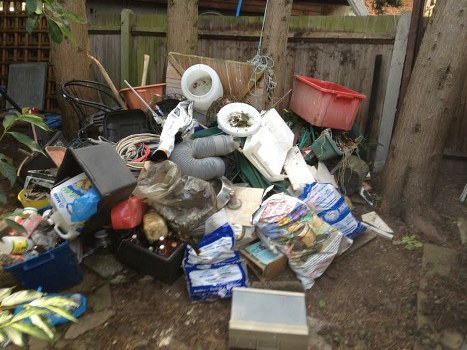
Our recycling and waste removal services are suitable for a wide range of customers across the capital. Some people need help with a single sofa or mattress, while others need a full property clearance. Others are managing trade waste after a renovation or need a commercial rubbish collection to keep a workplace clean and safe.
Typical customers include:
- Homeowners clearing lofts, garages, sheds, and spare rooms
- Tenants moving out and needing to remove unwanted items
- Landlords preparing a property for new occupants
- Estate agents and letting teams arranging void property clearances
- Offices disposing of furniture, archive waste, and general clutter
- Retailers, cafés, and hospitality businesses dealing with mixed rubbish
- Construction and refurbishment teams needing builders waste removed
Many London customers find that council services do not always cover bulky items quickly enough, or that collections need to be booked far ahead. A private service can offer a more responsive solution, especially when timing matters. If you need rubbish removed before a handover, an inspection, or a new delivery, flexibility can save a lot of stress.
What is included in a rubbish and recycling collection?
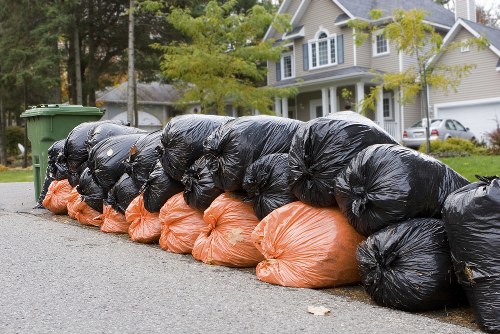
A well-run waste collection should do more than simply load up bags and go. Customers usually want a clear, efficient service that handles the lifting, sorting, and disposal without extra hassle. Depending on the job, this may include anything from a few bulky items to a full mixed clearance.
In most cases, a waste collection can include:
- Removal of household rubbish, bagged waste, and loose clutter
- Collection of furniture, appliances, and bulky items
- Separation of recyclable materials where possible
- Loading from inside the property, garden, office, or commercial space
- Safe handling of awkward or heavy items
- Responsible disposal through licensed facilities and recycling channels
Some items may require special handling, and it is always sensible to ask in advance if you are unsure. Things like electrical equipment, mattresses, certain office items, or renovation debris may need to be sorted in specific ways. A professional team can explain what can be taken and how to prepare it, helping you avoid delays on the day.
Common types of rubbish we help remove
London households and businesses generate many different kinds of waste, and not every collection looks the same. A single domestic job in Camden may involve just a couple of items, while a clearance in Battersea could include furniture, broken storage, bags of old belongings, and garden waste. The key is having a service that can adapt to the job in front of it.
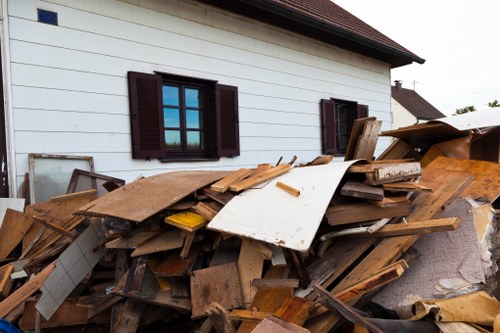
Frequently collected items include old sofas, chairs, tables, wardrobes, beds, carpets, white goods, electronics, boxed clutter, and general household rubbish. For commercial customers, common collections include office desks, filing cabinets, shelving, packaging waste, shop fittings, and refurbishment debris. Builders and tradespeople often need help with timber offcuts, plasterboard, broken tiles, and mixed project waste.
If you have items that are difficult to move, the team can often manage the heavy lifting for you. That is especially useful in London properties with stairs, split-level layouts, or no lift access. Rather than trying to move awkward items yourself, you can arrange a collection that fits the space and avoids unnecessary disruption.
Recycling in London: why sorting matters
Recycling is a major part of responsible rubbish removal. In a city as large as London, every load that can be separated properly helps reduce waste and supports better environmental outcomes. The practical benefit for customers is simple: recyclable materials should not be treated like general rubbish if they can be recovered and processed correctly.
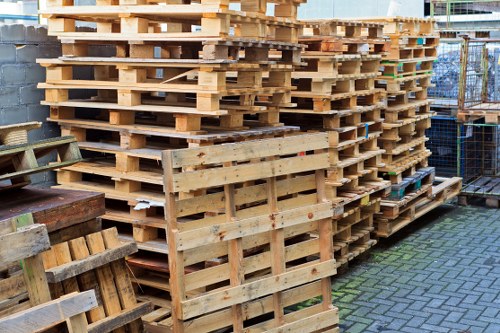
Examples of items that are often separated for recycling include metals, some plastics, cardboard, paper, wood, and certain electrical goods. The exact approach depends on the condition of the materials and where they need to be processed. A professional waste team will usually sort collections so that as much as possible goes into the right waste stream.
Responsible recycling and rubbish removal in London matters for businesses too. Offices with regular waste, shops with packaging, and hospitality venues with constant turnover all benefit from a cleaner, more organised disposal process. It can help keep premises presentable, reduce bin overflow, and support day-to-day operations.
How the service works
Booking a local rubbish collection is usually straightforward. The exact process may vary depending on the size of the job, but most customers can expect a simple sequence from enquiry to completion. The aim is to make the experience efficient and easy, especially for busy London residents and business owners.
A typical process looks like this:
- You describe what needs to be removed and where the property is located.
- The team assesses the type and amount of waste, along with access details.
- A collection time is arranged that suits your schedule and site conditions.
- The crew arrives, carries out the removal, and loads the items safely.
- Recyclable materials are separated where possible and the waste is disposed of responsibly.
For many jobs, it helps to provide a rough idea of what needs clearing, whether the property has stairs, and whether parking or loading restrictions apply. In London, these details matter because they can affect the time needed for the job and the way the team plans the visit.
Why local knowledge makes a difference
Choosing a local company for recycling and rubbish in London is often the most practical option. London is not one uniform area; it is a patchwork of boroughs, streets, estates, business districts, and residential neighbourhoods, each with its own access issues and collection challenges. A team that works across the city every day is better prepared for these conditions.
Local knowledge matters when dealing with busy routes in areas such as Westminster, Islington, and Kensington, where timing and parking can be tricky. It matters in neighbourhoods with estate layouts, communal entrances, and restrictions on stopping. It also matters in outer boroughs where a property may be easier to access but still require careful planning around local traffic or narrow side roads.
London rubbish removal works best when the company understands how to move efficiently without causing disruption. That means planning around red routes, shared driveways, loading bays, and private road access. It also means knowing how to approach flats, maisonettes, terraces, and commercial premises with the right equipment and attitude.
Residential rubbish removal across London
For homeowners and tenants, waste can build up quickly. A home clearance might be needed after a move, a renovation, a bereavement, or simply years of accumulated belongings. London homes often have limited storage, so unwanted items can take up valuable space very quickly. A clean, efficient collection can make a property feel usable again.
Residential customers often request help with:
- End-of-tenancy clearances
- Single-item collections
- Loft, garage, and shed clear-outs
- Decluttering before selling a property
- Garden waste and broken outdoor furniture
- Old appliances and white goods
In many parts of London, it can be difficult to move bulky items through narrow hallways or down several flights of stairs without help. A local team can take care of the lifting so you do not have to struggle with heavy furniture or awkward objects. That is especially useful for busy families, older residents, or anyone who simply wants the job done safely and quickly.
Commercial and office waste collections
Businesses across London need reliable rubbish collection to stay organised and presentable. Offices, shops, restaurants, clinics, and workshops all generate waste in different forms, and some of it cannot wait until the next scheduled bin day. Whether you are managing a refurbishment, downsizing a workspace, or clearing out after a relocation, a professional clearance can save time and reduce disruption.
Commercial rubbish in London often includes desks, chairs, monitors, packaging, filing, display units, and mixed office clutter. Hospitality venues may also need regular removal of boxes, worn-out equipment, and back-of-house waste. Trade customers might require a one-off collection after fit-out work, with debris removed quickly so the site can stay safe and workable.
For many businesses, the main benefit is convenience. Rather than assigning staff to handle heavy lifting or finding space for oversized waste, you can arrange a collection that fits around business hours and access conditions. That helps keep operations moving while the waste is dealt with properly.
What affects the price of a collection?
Customers often want to know what determines the cost of recycling and rubbish services. While exact prices vary, the main factors are usually straightforward. Understanding them can help you plan your collection and avoid surprises when requesting a quote.
Pricing factors may include:
- The volume of waste or the number of items
- The type of material being collected
- Whether items are heavy, awkward, or require extra handling
- Access conditions such as stairs, no lift, or long carries
- Parking availability and loading restrictions
- The time and urgency of the booking
- Any special disposal requirements for particular items
If you are comparing options, it helps to be clear about what needs removing and where the items are located. A detailed description makes it easier to receive a useful quote and ensures the collection team arrives prepared. For larger projects, such as a full house clearance or office strip-out waste removal, it is often worth requesting an assessment based on the amount and type of material involved.
How to prepare for your rubbish collection
Preparation is usually simple, but a little planning can make the visit smoother. In London, where access can change quickly and space is limited, a few small steps can help the team work efficiently and safely.
Before the collection, consider the following checklist:
- Group the items that need to be removed in one area if possible.
- Separate anything you want to keep from items going for disposal.
- Make sure stairwells, hallways, and entrances are clear enough to carry items through.
- Check whether the team will need a parking space or loading bay.
- Let the company know about any entry codes, concierge arrangements, or time restrictions.
- Point out any fragile items, low ceilings, or tight access routes.
If you are arranging a clearance for a tenant move-out or a property sale, it can help to walk through the space in advance and note anything that may slow the job down. Clear instructions save time and make the process less stressful for everyone involved.
Areas covered across London
A local waste service should be able to support customers across a wide part of the capital, from central districts to outer boroughs. Many people need help in areas where access is difficult, roads are narrow, or parking is limited, and a city-wide service is useful because it can handle different neighbourhood conditions.
Typical service areas may include, but are not limited to, central and inner London locations such as Westminster, Camden, Islington, Lambeth, Southwark, Hackney, Tower Hamlets, Kensington and Chelsea, and the City, as well as surrounding boroughs and residential neighbourhoods further out. The exact route and access details will depend on the job location and collection size.
Whether the property is a top-floor flat in Peckham, a family house in Ealing, a managed block in Stratford, or a workplace near King’s Cross, a flexible local team can usually plan the collection around your property type and timing needs. This is one of the biggest advantages of using a London-based rubbish removal provider: the service can be adapted to the area rather than forcing a one-size-fits-all approach.
Why customers choose a local company
There are several reasons why residents and businesses prefer a local service for recycling and rubbish in London. First, it is easier to arrange collections at short notice when the team already works in the area. Second, local crews are familiar with common access issues and can plan accordingly. Third, a nearby operator is often better placed to handle both household and commercial work with the same level of care.
Customers also appreciate the practical communication that comes with a local service. When you are dealing with a clear-out, you often need a team that can answer specific questions: Can they collect from a basement? Will they manage heavy lifting? Can they work around a narrow street or permit-controlled zone? A local provider is more likely to understand those concerns right away.
Book your service now if you need rubbish removed without unnecessary delay. Whether you are a homeowner, landlord, tenant, business manager, or contractor, a local collection can help free up space and keep your property in order.
Frequently asked questions
Can you collect mixed rubbish and recycling together?
Yes, in many cases mixed waste can be collected together and then sorted where possible. If you already have separated recyclable items, that can help the process, but it is not always required. The main goal is to remove the waste efficiently and process it responsibly.
Do I need to carry the items बाहर of the property myself?
Usually not. Many customers choose this service because they want help with the lifting and carrying. If items are located inside a flat, office, garden, basement, or storage area, the team can often remove them from there, subject to access conditions and the nature of the items.
Can you help with tight access or upper-floor flats?
Yes, London properties often involve stairs, narrow hallways, or limited parking. A local team is used to working in these conditions and can usually plan for them in advance. It is helpful to mention any access issues when requesting a quote.
What happens to the waste after collection?
Collected waste is taken to suitable facilities for sorting, recycling, or disposal. Reusable and recyclable materials are separated where possible, and general rubbish is handled through the appropriate channels. The aim is always to dispose of items responsibly and in line with current requirements.
Can businesses arrange one-off or regular collections?
Yes. Some businesses need a one-off clearance after refurbishments or relocations, while others need recurring help with waste management. The right arrangement depends on how much waste you produce and how often you need it removed.
When to request a quote
If you are planning a move, clearing a property, or dealing with waste that has started to get in the way, it is worth requesting a quote sooner rather than later. That is especially true if you are working to a deadline, such as a tenancy handover, office move, end-of-build schedule, or property sale preparation.
A quote request is most useful when you can describe the items, share the location, and mention any access limitations. The more detail you provide, the easier it becomes to organise the right team and the right collection time. For customers in London, this can be particularly valuable because access, parking, and timing often affect the whole experience.
If you are ready to clear space and deal with rubbish properly, contact us today or request a free quote. A straightforward conversation can help you understand the best approach for your property, your schedule, and the type of waste involved.
Making recycling and rubbish removal simple
Living in London means there is always something to manage, whether it is old furniture in a flat, packaging from a project, or unwanted items piling up in a store room. The right service should make the process as simple as possible: clear communication, sensible timing, careful lifting, and responsible disposal.
That is what customers look for when they need Recycling and Rubbish in London. They want a service that understands local streets, respects the property, and handles waste without fuss. They also want confidence that recyclable materials will be treated properly and that bulky items will not be left to create more problems later.
Whether you are clearing one room or an entire property, the benefit of using a local team is that the job is handled in a way that suits London life. If you need space back, want to tidy up a site, or simply want the rubbish gone, the next step is easy: book your service now and arrange a collection that works for you.