Waste Disposal in London
If you need waste disposal in London, you are probably looking for a service that is quick, reliable, and suited to busy city life. Whether you are clearing a flat in Camden, managing trade waste in Southwark, emptying a garden in Ealing, or dealing with builders’ debris near Kensington, the right local team can make a difficult job much easier. London properties often come with narrow streets, limited parking, controlled access, and strict building rules, so a professional waste collection service can save time, effort, and stress.
At the heart of a good waste removal service is convenience. Customers want rubbish taken away safely, responsibly, and without disrupting the day. That may mean old furniture from a terraced house, office rubbish from a commercial unit, or mixed household clutter from a top-floor flat with no lift. A local London team understands these challenges and can plan the job around them, helping you clear space quickly while keeping everything tidy and compliant.
From one-off clearances to regular collections, London waste disposal services are used by homeowners, tenants, landlords, letting agents, builders, shops, restaurants, offices, and property managers. If you are comparing options, it helps to know what is included, how pricing is usually worked out, and what preparation makes the job smoother. This page covers those essentials in a practical way so you can decide whether to book a collection or request a quote.
Local Waste Disposal Services for Homes and Businesses
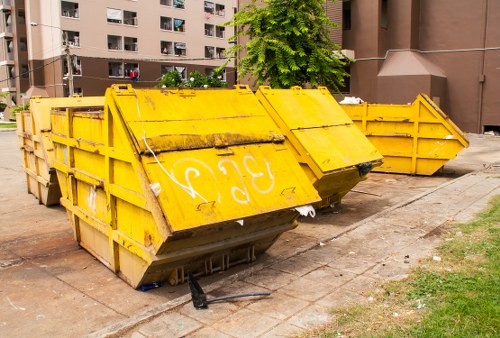
Waste disposal in a city as large and varied as London needs to be flexible. A flat in Islington, a townhouse in Clapham, a warehouse in Park Royal, and a retail unit in Shoreditch do not generate the same kind of waste or face the same access issues. A local provider can tailor the service to the property type, the volume of rubbish, and the type of material being removed. That is especially useful when you need a fast turnaround or have a narrow collection window.
For domestic customers, the most common jobs include clearing bulky items, unwanted furniture, white goods, garden waste, loft contents, cellar clutter, and general household rubbish. For business customers, the service may involve office furniture, packaging, confidential waste handled through the correct channels, shop fittings, stockroom waste, and light construction debris. In each case, the aim is the same: remove the waste efficiently and leave the space ready for use.
Waste disposal in London also has to account for local rules and practical realities. Some streets are heavily restricted, some estates have strict access procedures, and some commercial sites require scheduled arrivals. A team that works across the capital regularly is more likely to know how to manage these details without unnecessary delays. That matters when you want the waste gone on time and the property left clear.
What Can Be Collected?

Most waste disposal services handle a broad range of non-hazardous rubbish and bulky materials. If you are unsure whether something can be taken, it is best to ask before booking. A good local service will tell you what is acceptable, what may need special handling, and what cannot be removed through a standard collection. Being clear upfront helps avoid surprises on the day.
Typical items collected during London waste disposal jobs include:
- Old sofas, armchairs, beds, wardrobes, tables, and chairs
- Broken appliances such as fridges, freezers, washing machines, and microwaves
- Household clutter, bagged rubbish, cardboard, and mixed junk
- Garden waste like branches, hedge cuttings, turf, and soil in manageable amounts
- Office desks, chairs, filing cabinets, shelving, and general workplace waste
- Light builders’ waste such as plasterboard, timber, packaging, and rubble
- End-of-tenancy rubbish, loft clearances, garage contents, and shed contents
Some items need more care. Fridges and freezers, for example, may require specific processing because of refrigerants and components. Mattresses, electricals, and large quantities of mixed waste can also affect how the job is planned. A professional service should explain these points clearly so you know what is involved before collection starts.
Why London Properties Need a Practical Approach

Anyone who has tried to move bulky rubbish out of a London building knows that the hardest part is often the access, not the lifting. Many homes are in converted buildings, mansion blocks, council estates, mews houses, or period terraces with tight staircases and limited on-street space. Commercial premises can be just as challenging, especially when loading bays are shared or timed.
This is why local waste disposal London services are so valuable. A team that regularly works in areas such as Westminster, Hackney, Hammersmith, Greenwich, Wandsworth, and Brent will know that some collections need careful planning. That might mean working around parking restrictions, using stair carries, protecting communal areas, or coordinating with site managers. The aim is to remove waste without causing damage or inconvenience.
Practical planning also helps reduce downtime for businesses. A shop in Lewisham may need old display units removed before trading hours. An office in Canary Wharf may want furniture cleared between leases. A landlord in Battersea may need a flat emptied quickly between tenants. The right waste removal service can handle these jobs in a way that fits the property, the schedule, and the local environment.
How the Service Usually Works
A straightforward process is one of the biggest advantages of using a professional disposal team. Most customers do not want a complicated experience; they want the waste collected, loaded, and taken away with minimum hassle. A reliable service should make the process simple from the first enquiry through to final clearance.
In many cases, the process works like this:
- You describe the waste, the property type, and the location in London.
- The team asks a few questions about access, size, and item types.
- A quote or estimate is provided based on the information available.
- A collection time is arranged that suits your schedule.
- The team arrives, confirms the waste to be taken, and loads it safely.
- The rubbish is removed for sorting, recycling, and responsible disposal.
This process is especially helpful for customers who need quick turnarounds. For example, a tenant leaving a flat in Notting Hill may need an end-of-tenancy clearance completed before check-out. A builder in Acton may want debris collected after a refurbishment. A restaurant manager in Soho may need old equipment taken away between deliveries. In each case, the service needs to be efficient and dependable.
What Happens on Collection Day?
On the day of the job, the team usually confirms the items, checks access, and starts loading. If waste is in a basement, loft, rear garden, or upper floor, the collection plan may involve more carrying and a bit more time. In London, those details are important because tight access, residents’ parking, and building entrances can all affect the pace of work.
Good communication makes the day run smoothly. If you mention locked gates, concierge arrangements, or time-limited access in advance, the team can prepare properly. That is one of the main reasons local customers prefer a nearby service: it is easier to arrange a collection that matches the realities of city living.
What Is Included in a Waste Disposal Service?
Customers often want to know exactly what they are paying for. While services differ, a typical collection will include the labour needed to remove the items, safe loading, transportation away from the property, and disposal through the proper channels. Some jobs may also include light sorting on site, particularly where there is mixed rubbish that can be separated quickly.
Depending on the provider and the type of work, a waste disposal service in London may include:
- Collection from inside the property, garden, garage, basement, loft, or office
- Loading of bulky items and general junk
- Careful movement through communal spaces or narrow stairwells
- Transport of the waste to a licensed facility
- Separation of recyclable materials where practical
- Clear communication about items that need special handling
Some services also provide fuller clearances, such as probate clearances, end-of-tenancy clearances, office strip-outs, or site tidy-ups after light renovation work. If you need this kind of support, it is worth explaining the situation fully so the team can plan enough time and the right vehicle size.
Domestic Waste Removal
Domestic customers in London often need help when rubbish starts to build up after a move, renovation, spring clean, or family change. A house in Fulham may need old bedroom furniture removed, while a flat in Stratford might need mixed junk cleared from storage cupboards and balconies. A domestic collection is ideal when council collection timing does not fit, or when there is simply too much waste to handle alone.
Household waste disposal can also be a practical choice when you are preparing a property for sale or rental. Clearing clutter makes rooms feel larger, brighter, and more presentable. For landlords and letting agents, that can help reduce delays between occupants and make a property easier to show.
Commercial Waste Disposal
Business customers need a service that is consistent, discreet, and adaptable. Offices, retail units, cafes, salons, and workshops all create waste in different ways. One business may need regular collections of packaging and old stock. Another may need a one-off clearance after a refit. A professional local team can work around opening hours, deliveries, and building rules to keep disruption to a minimum.
Commercial waste disposal in London is especially useful where premises are shared or heavily trafficked. A team familiar with central districts and busy suburbs can plan collections around access issues and busy roads. That can make a real difference for businesses that cannot afford avoidable downtime.
Pricing Factors and What Affects Your Quote
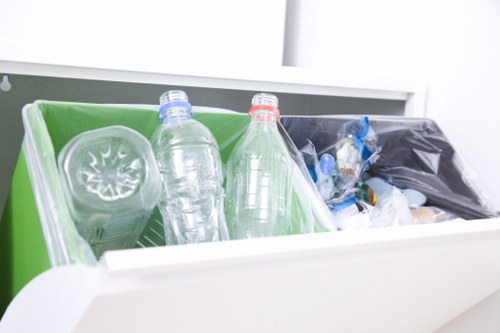
People often ask how waste disposal is priced. The exact figure depends on several practical factors rather than a single flat rule. This is why it is useful to request a quote based on the actual job instead of guessing. A clear assessment helps the provider offer a fairer estimate and helps you understand what is included.
Common pricing factors include:
- Volume of waste: more items usually mean more time and vehicle space
- Type of material: heavy items, electricals, and mixed waste can change the job
- Access: stairs, distance from vehicle, lifts, basements, and rear garden access all matter
- Location: central areas, parking restrictions, and time-sensitive access may affect planning
- Labour required: one-person clears are different from full property clearances
- Special handling: certain materials may need separate processing
For London customers, access is often one of the biggest considerations. A top-floor flat with no lift in Haringey may take more effort than a ground-floor office in Croydon, even if the pile of waste looks similar. This is why a local team will often ask a few practical questions before giving a quote. It is not about making things complicated; it is about making the price reflect the real job.
Preparing for Your Collection
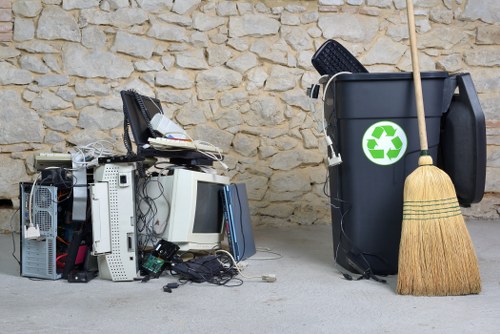
A little preparation can make the collection quicker and easier. You do not need to do everything yourself, but some basic steps will help the team work efficiently and safely. This is especially useful in London where shared entrances, parking rules, and tight stairwells can add complexity.
Here is a simple preparation checklist:
- Separate the waste you want removed from items you are keeping
- Make sure access routes are clear where possible
- Tell the team about stairs, lifts, parking, and restricted entry points
- Let the team know if any items are unusually heavy or fragile
- Keep pets and children away from the loading area during collection
- Set aside anything that should not be taken by mistake
If waste is in a loft, basement, or garden, you may want to make the route easier to access before the crew arrives. If the building has a concierge, porter, or site manager, it can help to confirm access arrangements in advance. The more the team knows before arrival, the smoother the job is likely to be.
When DIY Clearance Is Not the Best Option
Some people try to move waste themselves, but that is not always the safest or most efficient approach. Large furniture, broken appliances, and heavy rubble can be awkward to carry, especially in older London properties with steep stairs or narrow hallways. If you do not have the right vehicle, lifting equipment, or disposal arrangements, the process can quickly become frustrating.
Using a professional waste removal service can reduce the risk of injury, damage, and multiple trips across the city. It also saves time, which is often valuable when you are moving, renovating, or running a business. For many customers, the convenience alone makes a local collection the better choice.
Why Choose a Local London Company?
There are many reasons customers prefer a local provider rather than a distant one. A company that works regularly across London is more likely to understand the logistics of the city, from congestion and parking controls to building access and estate procedures. That knowledge is especially useful when timing matters.
Local benefits include:
- Better understanding of busy boroughs and residential estates
- More practical planning for parking and access
- Faster response for urgent or short-notice jobs
- Experience with flats, terraces, offices, shops, and mixed-use buildings
- Knowledge of how to work neatly in shared spaces
- Flexible service for both domestic and commercial customers
Whether you are in Richmond, Barnet, Tower Hamlets, Merton, or Wimbledon, a nearby team can often respond with more awareness of the local setting. That makes the overall service feel less stressful and more tailored to your needs. If you have been searching for dependable waste disposal in London, a local company is often the most practical choice.
Areas Covered Across London
Waste disposal services are typically available across much of Greater London and surrounding areas, including central, north, south, east, and west locations. That can be helpful for customers in both residential neighbourhoods and busy commercial districts.
Common areas include, but are not limited to:
- Central London areas such as Westminster, Covent Garden, Holborn, and Soho
- North London locations including Camden, Islington, Haringey, and Barnet
- East London areas such as Hackney, Tower Hamlets, Newham, and Greenwich
- South London locations including Lambeth, Southwark, Wandsworth, and Lewisham
- West London areas including Ealing, Hammersmith, Brent, and Kensington
- Outer boroughs and residential districts where access and parking still need careful planning
If your property is near a station, on a busy high street, inside a gated development, or on a narrow residential road, that should not automatically be a problem. It simply means the team may need a bit more detail before collection. A local service is used to these situations and can usually advise what will make the job easier.
Common Reasons People Book Waste Disposal in London
Customers call for waste disposal for all kinds of reasons, and each one has its own urgency. Some need to clear space after a move. Others are dealing with a renovation deadline. Some want a safer, tidier home. Businesses often need the work done quickly so they can keep operating without clutter or disruption.
Typical reasons include:
- End-of-tenancy clearances for tenants and landlords
- House moves, downsizing, or probate-related clearances
- Refurbishment, decorating, or building work
- Garden clearances after landscaping or seasonal maintenance
- Office moves, relocations, or workspace changes
- Retail refurbishments, stockroom clear-outs, and fit-out waste
- General decluttering when storage space is running out
In a city where space is at a premium, getting rid of unwanted items can immediately improve how a property feels and functions. A cleared room is easier to clean, easier to use, and easier to present to buyers, tenants, customers, or staff.
Frequently Asked Questions
How quickly can waste be collected?
Availability varies, but many customers choose a local waste disposal service because it can often be arranged more quickly than other options. If you have an urgent job, it is worth saying so when you enquire. The more information you provide, the easier it is to plan a suitable collection time.
Do I need to move everything outside first?
Not always. In many cases, waste can be collected from inside the property, garden, basement, or office. However, access details matter. If items are in a difficult-to-reach area, mention that in advance so the team can plan for the job properly.
Can you collect mixed rubbish?
Yes, mixed waste is one of the most common reasons people book a clearance. That said, separating certain materials where possible can help the job run more smoothly. If you have items that may need special handling, ask before the collection date.
What if I live in a flat with no lift?
That is common in London, especially in older conversions and mansion blocks. A local team should be used to stair carries and can plan accordingly. Be sure to mention the floor level and whether there are any access restrictions.
Are commercial clearances different from domestic jobs?
Yes, they often are. Commercial jobs may involve stricter timings, building rules, or larger amounts of material. Offices, shops, and hospitality venues may also need work done discreetly so trading or staff activities are not disturbed.
What happens to the waste after collection?
Collected waste should be taken to the appropriate facility and sorted for responsible handling wherever possible. Recyclable materials may be separated, while other waste is dealt with through approved disposal routes. If you want to know how a team handles waste, it is reasonable to ask before booking.
Choosing the Right Waste Disposal Service
When comparing providers, look for a service that feels straightforward, responsive, and realistic about London conditions. You want a team that asks the right questions, explains what they can remove, and gives clear information about the job. Good service is not just about taking rubbish away; it is about doing it in a way that suits your property and schedule.
A strong provider will usually be able to explain:
- What types of waste they handle
- How access and parking affect the job
- Whether the collection is domestic, commercial, or mixed
- What preparation is helpful before arrival
- Any items that need additional attention or separate handling
If you need waste disposal in London, choosing a local team means choosing practical knowledge as well as labour and transport. That combination is valuable when the property is busy, the access is awkward, or the schedule is tight. For customers who want the job handled properly first time, it is worth working with a service that understands the capital.
Book Your Waste Disposal Service
If you are ready to clear space, reduce clutter, or deal with rubbish from a home or business, now is the time to act. The longer waste sits around, the more it can interfere with daily life, block access, and create extra work later. Whether you need a one-off collection or a larger clearance, a local London service can help make the process easier.
Contact us today, request a free quote, or book your service now if you want a practical and reliable solution for waste removal. From household rubbish to commercial clearances, a well-planned collection can save time and give you back the space you need.
For local customers across London: if you want a team that understands city access, property types, and busy schedules, professional waste disposal is a smart, efficient choice.