Rubbish Clearance in London
When your home, office, or property project starts filling up with unwanted waste, having a reliable local team makes a real difference. Rubbish clearance in London is about more than simply taking things away; it is about saving you time, reducing stress, and making sure bulky, awkward, and unsightly waste is removed safely and responsibly. In a city where space is tight, access can be tricky, and properties range from Victorian terraces to modern flats and busy commercial premises, a practical clearance service helps people regain control of their space quickly.
Whether you are clearing a flat after a move, dealing with builders’ waste, emptying a garage, or making room in a shop, restaurant, or office, the right service should be straightforward and convenient. Local customers often want a team that understands London streets, loading restrictions, narrow stairways, lift access, permit challenges, and the realities of working around neighbours, tenants, and businesses. That is why choosing a rubbish removal service with genuine local experience is so useful.
From small one-off collections to larger property clearances, the focus should always be on making the process easy for you. You should know what is included, what can be collected, how preparation works, and what affects the cost. If you are looking for rubbish clearance London customers can trust for domestic or commercial waste, this page explains what to expect and how to book with confidence.
Why London customers need a flexible clearance service

London is a city of contrasts. A single street can include basement flats, maisonettes, converted houses, retail units, and office buildings, all with different access requirements. Rubbish clearance in London needs to adapt to this variety. A good team understands that a simple job in a suburban driveway is very different from removing waste from a third-floor flat with no lift or collecting bulky items from a pedestrian-only street.
Local residents and businesses often face practical issues that make waste removal difficult to handle alone. Parking spaces may be limited, estate roads can be narrow, and many properties have shared hallways or timed access windows. If you are trying to move old furniture, broken appliances, renovation debris, garden waste, or office clutter, you may not want to hire a skip, wait for permits, or spend hours making multiple trips to a reuse centre.
A flexible rubbish clearance service gives you a direct solution. Instead of dealing with the lifting, loading, and disposal yourself, you can arrange collection at a time that fits your schedule. That is especially helpful in busy boroughs where people need to coordinate around work, school runs, tenancy changes, or trading hours. It is also useful when waste has built up faster than expected and you need the area cleared quickly.
What the service can include
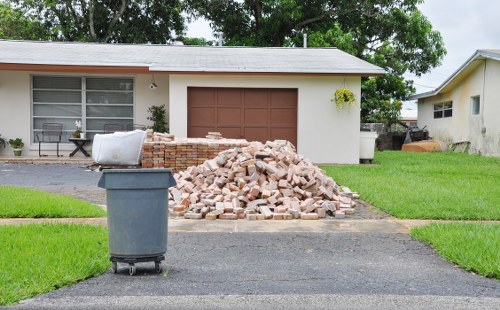
Every clearance job is different, which is why a local rubbish removal team should be able to handle a wide mix of waste streams. For many customers, the most important benefit is that the crew can remove items from wherever they are stored, whether that is a basement, loft, shed, office floor, back garden, or commercial stockroom.
Typical items collected during rubbish clearance in London include everyday household waste, broken furniture, white goods, mattresses, electricals, bagged rubbish, cardboard, mixed junk, and light construction debris. Businesses may also need help with shelving, display units, packaging materials, archived paperwork, or surplus office furniture. Garden clearances often involve branches, hedge cuttings, old plant pots, fencing sections, soil, and general outdoor clutter.
Depending on the job, a clearance team may also be able to separate reusable items from general waste where appropriate. This can be especially useful during end-of-tenancy clear-outs, probate property work, renovation projects, or office refits. The aim is to remove the unwanted material efficiently while keeping the process as simple as possible for the customer.
Common clearance requests in London
Residential customers often ask for help with:
- Furniture removal from flats, houses, and shared properties
- Loft, basement, and garage clearances
- End-of-tenancy rubbish removal
- Mattress, appliance, and bulky item collection
- Garden waste and shed clear-outs
- Decluttering before a move or renovation
Commercial customers often need:
- Office furniture and equipment removal
- Shop and retail clearance
- Restaurant and hospitality waste collection
- Warehouse and stockroom clear-outs
- Builders’ waste and fit-out debris removal
- Regular or one-off commercial rubbish collection
How rubbish clearance works
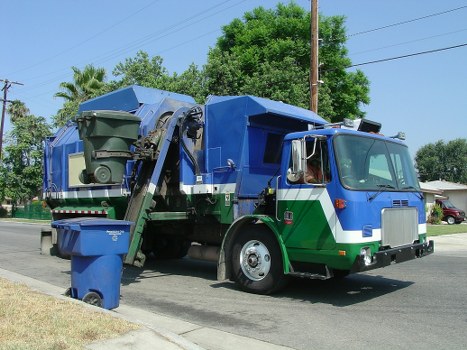
The process should be simple from the first enquiry to final collection. A clear, organised approach is especially important in London, where timing, access, and parking often need to be planned carefully. Customers usually appreciate knowing what will happen and how the team will operate on arrival.
In most cases, the service begins with a description of the items or waste to be removed. You may be asked to explain the type of rubbish, how much there is, where it is located, and whether there are any access issues. This helps the team understand the job and prepare appropriately. If the clearance is large or unusual, photos can sometimes help provide a more accurate estimate.
On the day, the team arrives, reviews the waste, and confirms the scope before loading anything. Skilled rubbish clearance professionals do the lifting, carrying, and loading for you, which is particularly helpful for large furniture, heavy bags, or awkward items from upper floors. Once the rubbish is taken away, the area is left tidy so you can get on with your day or continue with your project.
What makes the process easier for customers
- No need to hire and fill a skip yourself
- No repeated trips to a disposal site
- Less disruption to neighbours and shared spaces
- Less risk of injury from lifting heavy items
- A faster way to reclaim usable space
If you are preparing for a move, refurbishing a property, or simply clearing clutter, having a dependable service makes the whole experience more manageable. Book your service now if you want a straightforward way to remove unwanted rubbish without unnecessary hassle.
Why local knowledge matters in London
London is not one-size-fits-all. A rubbish clearance job in Camden can look very different from one in Wandsworth, Ealing, Hackney, Croydon, or Greenwich. Roads may be busier at different times, loading access may be restricted, and some properties sit within controlled parking zones or tight residential estates. A local company that regularly works across the city understands these realities and can plan more effectively.
This local understanding matters for both households and businesses. In older properties, staircases can be steep and narrow, cellars may be difficult to access, and communal entrances can require extra care. In newer developments, lift bookings and access windows may need to be coordinated. For commercial customers, service entrances, trading hours, and staff workflow can all affect how and when waste is removed.
A London-based clearance team is also more likely to understand the practical side of working around busy roads, market areas, and mixed-use buildings. That means smoother collections, fewer delays, and a better overall experience. It also helps when a job needs to be completed quickly, such as before a tenancy handover, a sale completion, a refurbishment start date, or a change in business occupancy.
Local property types that often need clearance
London customers often contact clearance teams for:
- Period terraces and converted flats
- Basement apartments and garden flats
- Purpose-built estates and modern developments
- Townhouses and multi-storey homes
- High-street shops and small businesses
- Shared offices and managed workspaces
Residential rubbish clearance for homes and flats

Home clearance is one of the most common reasons customers arrange rubbish removal. Over time, households build up unused furniture, broken appliances, old toys, worn carpets, packaging, and general clutter. This can happen gradually or all at once after a life change such as moving home, downsizing, renovating, or dealing with a family property.
For flat owners and tenants, rubbish removal can be particularly important because storage space is limited. London flats often have no loft, little outdoor storage, and shared communal areas where items cannot be left. A professional clearance service helps remove unwanted items without turning the hallway, stairwell, or pavement into a problem for others.
Residential customers also value discretion and care. Neighbours may be nearby, access may be shared, and the building may have rules about noise or loading times. A reliable team works efficiently and respectfully, helping you avoid disruption while still getting the job done. That is especially useful in areas such as Clapham, Islington, Wimbledon, Stratford, Richmond, or Brixton, where busy streets and close-packed housing can make self-clearance difficult.
Good reasons homeowners call for help
- Preparing for a sale or rental move-out
- Clearing a property after decorating or renovation
- Removing old sofas, wardrobes, beds, and cabinets
- Emptying sheds, lofts, cellars, and garages
- Dealing with overflow rubbish after a spring clean or big declutter
If you are trying to make a room usable again, or if unwanted items are getting in the way of everyday life, a local clearance team can provide a quick and practical solution. Contact us today if you want to clear space in your home without the stress of doing it yourself.
Commercial rubbish clearance for London businesses
Businesses across London often need flexible waste removal that fits around operations. Offices may need old desks, chairs, filing cabinets, and IT equipment removed during a move or refit. Shops might need clearance after a change in stock layout, a refurbishment, or an end-of-season reset. Restaurants and cafés may require bulky waste removal from storage rooms, back-of-house areas, or outdoor seating areas.
Commercial rubbish clearance in London should be organised to reduce disruption. Good planning helps the collection happen outside busy trading periods, before opening hours, or during a short window agreed in advance. That can make a big difference in places with high footfall, restricted loading, or shared access with other tenants and staff.
Commercial customers also often need a more responsive approach than ordinary household waste services can provide. A local clearance team can help with one-off jobs as well as larger projects such as office moves, retail fit-outs, and hospitality refurbishments. If your business needs a practical way to remove unwanted items while keeping the space presentable and functional, a dedicated rubbish clearance service is often the simplest option.
Examples of commercial jobs
- Office downsizing and relocation waste
- Retail shelving and display removal
- Hospitality equipment and packaging waste
- Warehouse overflow and bulk junk removal
- End-of-lease and unit handover clearances
What affects the cost of rubbish clearance?
Many customers want to know what influences the price before they book. While exact costs depend on the job, several factors usually shape the quote. Understanding these points can help you prepare and compare services more confidently. It is also useful if you are trying to decide whether a small clearance or a larger collection is the right fit for your needs.
The main factors typically include the volume of rubbish, the type of waste, the level of access, the number of items needing lifting, and how long the job is likely to take. Heavy or awkward items can take more time to remove safely, while top-floor flats, basement rooms, and limited parking can all affect the labour involved. Mixed loads may also need more sorting than simple bagged waste.
Timing can play a part too. Urgent bookings, out-of-hours collections, and jobs requiring coordination with building management may need extra planning. The most helpful quotes are usually based on accurate details, so it is worth describing the items clearly and mentioning anything that could affect access. That allows the team to give a fair and realistic estimate before the work begins.
Typical pricing factors customers should know about
- Volume of rubbish to be removed
- Type of waste, including bulky or heavy items
- Accessibility of the property or collection point
- Labour required for lifting and carrying
- Parking or loading complexity
- Urgency and timing of the booking
If you want clarity before committing, request a free quote and give as much detail as you can. That way, the service can be matched to the job properly and there are fewer surprises on the day.
How to prepare for a clearance visit
Preparation is often easier than customers expect, but a little planning can make the visit quicker and smoother. If you are arranging rubbish clearance in London, think about what needs to go, where it is stored, and whether there are any items you want to keep aside. This is especially useful in homes with mixed clutter, in offices with shared storage areas, or in properties where several people need to agree on what is being removed.
Before the team arrives, it is a good idea to separate anything personal, valuable, or important that should not be taken. You may also want to check drawers, cupboards, and shelves for documents or small items. If there are particularly awkward items in a loft, basement, or garden, making access as clear as possible can save time and reduce disruption. In managed buildings, it can help to confirm lift use, loading arrangements, or any site instructions in advance.
Even when you do very little preparation, a professional team can usually still handle the collection. However, some simple steps can make the experience more efficient and less stressful. If you are trying to clear a property before a deadline, a smooth handover can be especially valuable.
Preparation checklist
- Identify the items or areas to be cleared
- Remove anything you wish to keep
- Check for access restrictions or entry instructions
- Tell the team about stairs, lifts, or parking issues
- Set aside fragile or personal items separately
- Make sure someone is available if access is needed on arrival
Areas covered across London
Customers often ask whether a clearance team can cover their part of the city. A local London service should be able to work across a wide area, including inner and outer boroughs, central locations, and residential neighbourhoods with different access conditions. This matters because people do not want to waste time looking for a provider that only serves a narrow patch of the city.
Typical areas covered may include Central London, North London, South London, East London, and West London, along with surrounding boroughs and nearby districts. That might mean everything from compact apartments in the city centre to family homes in quieter residential zones, plus offices and independent businesses on local high streets and industrial estates. The exact route and scheduling will depend on the job, but the important point is flexibility.
If you live or work near places such as Kensington, Fulham, Hammersmith, Peckham, Lewisham, Tottenham, Enfield, Harrow, or Southwark, a local clearance service can usually adapt to the area’s specific conditions. The same is true for many other parts of the capital. What matters most is having a team that knows how to navigate the city efficiently and complete the job with minimum fuss.
Why broad local coverage helps
- Useful for households moving between boroughs
- Handy for landlords with multiple properties
- Convenient for estate agents and managing agents
- Practical for businesses with sites in different parts of the city
- Better chance of finding a collection slot that suits you
Why choose a local rubbish clearance company?
There are plenty of reasons customers prefer a local provider over a distant one. First, local knowledge often leads to better planning. A team that regularly works in London is more likely to understand timed access, parking limitations, congestion, shared entrances, and how to handle collections with minimal disruption. That can save time and reduce frustration for everyone involved.
Second, local service usually feels more personal and responsive. If you need rubbish removed before a move, after a tenancy ends, or in the middle of a business change, it helps to speak with people who understand the pace of life in the city. London customers value clear communication, punctual arrivals, and a team that can adapt when the situation changes.
Third, a local team is often better placed to handle the realities of a mixed waste job. You may have a sofa in one room, bags in another, and old boxes or rubble in a storage area downstairs. Rather than making you sort and transport everything yourself, a good service takes care of the heavy lifting and leaves the space usable again.
Benefits customers usually look for
- Quick and convenient collections
- Efficient handling of bulky items
- Help with access and loading
- Reduced stress for busy households and businesses
- A practical alternative to doing it all yourself
If you are comparing options, think about more than just availability. Consider whether the team understands your property type, your area, and the kind of waste you need removed. Book your service now if you want a local solution designed around London conditions.
Frequently asked questions
These are some of the questions London customers often ask before arranging a collection. If you are unsure about your own job, these answers should help you decide what to do next.
Do I need to move the rubbish outside before collection?
Not usually. One of the main advantages of a professional service is that the team can collect items from inside the property, the garden, the basement, or another agreed location. This is especially helpful for flats, multi-storey homes, and commercial premises with limited access.
Can you remove bulky furniture and appliances?
Yes, bulky items are commonly collected. Sofas, beds, wardrobes, tables, chairs, fridges, washing machines, and similar items are often part of domestic and commercial clearances. It is useful to mention heavy or awkward items in advance so the team can prepare properly.
What if I live in a flat with no lift?
That is common in London. A local rubbish clearance team should be used to stairs, narrow landings, and shared entrances. When you enquire, it helps to mention the floor level and any access concerns so the collection can be planned efficiently.
Can businesses arrange collections outside office hours?
In many cases, yes. Commercial customers often need flexible scheduling to avoid disrupting staff, customers, or trading hours. Early morning, evening, or other agreed time slots may be possible depending on the job and availability.
What kind of rubbish cannot be included?
Some items may need special handling or separate arrangements depending on the type of waste and local rules. If you have something unusual, it is best to describe it clearly when requesting a quote so you can be advised on the right next step.
Do I need to sort everything before the team arrives?
No, not necessarily. You do not have to make everything perfect, but separating items you want to keep is important. If the rubbish is mixed with personal belongings, it helps to set those aside first.
How quickly can a clearance be arranged?
Availability depends on the size of the job and the schedule, but many customers contact a clearance team when they need a prompt response. If your collection is time-sensitive, mention that early so the service can be matched to your deadline.
Choosing the right service for your situation
The best rubbish removal service is the one that fits your property, your timing, and the type of waste you need to clear. A small household declutter, a post-renovation clean-up, and an office furniture clearance all need slightly different handling. That is why a good local provider listens carefully before the job begins and explains what is included.
For many London customers, the decision comes down to convenience, trust, and practicality. You want a service that can work around traffic, access restrictions, and building rules without adding more stress to your day. You also want the reassurance that the team will arrive ready to lift, carry, and load the waste so you do not have to.
If you are planning a property change, clearing out a business space, or dealing with waste that has built up too much to manage alone, now is a good time to take action. Contact us today to discuss your clearance needs, ask any questions, and request a free quote tailored to your London property or premises.
Final things to remember
- Clearance services are useful for homes, flats, offices, and shops
- Local knowledge helps with access, parking, and timing
- Preparation can make the collection quicker and easier
- Quotes depend on volume, access, and item type
- A straightforward booking process makes the whole job less stressful
Whether you need a one-off collection or help with a larger project, rubbish clearance in London should be simple, efficient, and suited to real local conditions. When you are ready, request a free quote and take the first step toward a cleaner, clearer space.