Council Waste Collection in London
If you are dealing with household rubbish, bulky items, landlord clear-outs, or commercial refuse that needs to be removed properly, Council Waste Collection in London is a practical topic that affects everyday life across the city. London is busy, varied, and often space-limited, which means waste collection needs can be very different from one street to the next. A flat in Islington, a terrace in Lewisham, a townhouse in Kensington, a shop unit in Croydon, and an office in the City of London all have different waste patterns, different access conditions, and different expectations for reliable collection.
Whether you are trying to understand what your borough collects, how to manage extra waste after a move, or when it makes sense to arrange a private collection instead of waiting for the council, this page is designed for local customers. It explains the service in plain language, highlights practical issues like parking and collection access, and shows where a local waste team can save time and stress. If you need help with bulky waste, garden waste, mixed rubbish, or recurring commercial collections, contact us today to discuss the best option for your property or premises.
Many London residents look for simple, dependable answers: what can be taken, what needs to be separated, how quickly a collection can happen, and who is responsible for placing items out correctly. This article covers those points and more, so you can make an informed choice and request the right service with confidence.
Understanding Council Waste Collection Across London
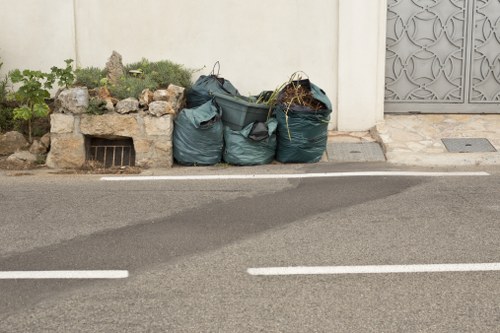
Council waste collection in London is not one single service. Each borough operates its own household waste arrangements, collection schedules, recycling rules, and bulky waste procedures. That means what works in Camden may not be the same in Hounslow or Greenwich. Some areas provide weekly general waste collections, while recycling, food waste, garden waste, and bulky item collections may follow separate schedules or require booking.
For local customers, the important thing is knowing how the service works in your area and what to do when you have more waste than usual. A standard bin collection is fine for regular household rubbish, but it may not suit renovation waste, moving-day clutter, end-of-tenancy items, or the overflow created by office clear-outs. In those situations, a local collection team can often provide a faster, more flexible alternative.
London’s mix of housing types also shapes how waste is collected. Flats above shops, estates with communal bins, maisonettes with limited storage, and detached homes with front access all require different approaches. A reliable waste collection service needs to work around shared entrances, controlled parking zones, timed access, narrow stairwells, and busy roads without creating extra disruption for neighbours or building managers.
Why London Waste Collection Needs a Local Approach

Using a local team for waste collection in London offers practical benefits that matter in a dense urban setting. Streets can be narrow, parking can be restricted, and many properties do not have the space to store rubbish while waiting for the next council pickup. A local provider understands borough layouts, traffic patterns, permit restrictions, and the day-to-day realities of working in residential and commercial areas across the capital.
That local knowledge matters when collections need to happen efficiently. For example, access around a block of flats in Hackney may be very different from a mews property in Westminster or a business park in Southwark. A local waste crew is more likely to plan around loading bays, concierge arrangements, basement access, stair-only properties, and busy roadside collections without wasting time or causing delays.
Customers also benefit from clearer communication. When you need to remove waste quickly, it helps to speak with a team that understands London conditions and can explain what to prepare before collection day. Rather than guessing whether your items will fit council limits or whether a special booking is required, you can get practical advice and arrange a service that matches your situation.
What Council Waste Collection May Include
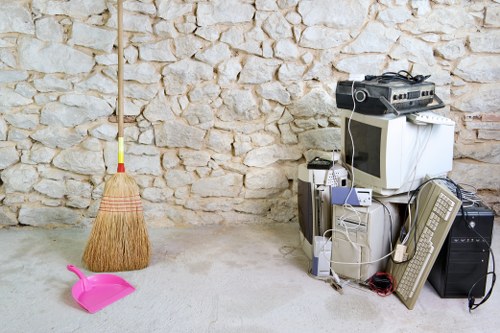
Different London boroughs handle different waste streams, but the typical service may include general household waste, recycling, food waste, garden waste, and separate collections for bulky items. Some councils also offer clinical waste support, though this is usually arranged under specific conditions. Understanding what is included helps you avoid missed collections, contamination issues, and unnecessary delays.
For many customers, the most useful option is a bulky waste collection. This is especially relevant when dealing with old sofas, mattresses, wardrobes, white goods, broken furniture, and general large household items. In London, these items are common after a tenancy change, a refurbishment, a move, or a clear-out before a property sale.
Commercial customers often need a different solution. Offices, retail units, restaurants, salons, and hospitality venues can produce steady waste volumes that are not suited to ordinary domestic collections. A business may need scheduled pick-ups, one-off clearances, or support with mixed waste after refurbishment. Choosing the right collection service helps keep the premises tidy, compliant, and easier to manage.
Common waste types handled locally
- General household rubbish
- Recycling separated by material type
- Food waste from homes or small food premises
- Garden waste such as cuttings and branches
- Bulky household items
- Office waste and archive clear-outs
- End-of-tenancy waste
- Light construction and refurbishment debris, where accepted
When a Private Collection Makes More Sense

Many Londoners initially try to rely on council collections for everything, but there are times when a private waste collection is the more practical choice. This is especially true when you need to remove rubbish quickly, have items that are too bulky for standard bins, or are dealing with waste that cannot wait for the next council slot.
Private collections can be helpful after house clearances, loft clear-outs, kitchen replacements, garden overhauls, shop refits, and office moves. They can also help when your property has access restrictions or limited storage space. In parts of London where front gardens are small or absent, residents may not have anywhere safe to store waste bags ahead of collection day. In flats and converted houses, communal bin stores can fill up quickly, which creates pressure on residents and managing agents.
Another common reason is timing. If you are preparing a rental property for new tenants, getting a flat ready for sale, or clearing a site for work to begin, a delayed collection can create knock-on problems. A local collection team can often work more flexibly than a fixed municipal schedule. This is particularly useful for landlords, letting agents, builders, and property managers who need the job completed within a narrow window.
Examples of situations where a private collection helps
- Move-out clearances with leftover furniture and bagged rubbish
- Bulky items that cannot fit into communal bins
- One-off waste after decorating or light renovation
- Mixed waste from shop or office clear-outs
- Overflow waste after a missed or disrupted council pickup
How the Service Works

A good waste collection service should be straightforward from the start. London customers often want the process to be clear, predictable, and fast enough to fit around work, school runs, deliveries, and building access times. While council rules differ by borough, a private or assisted collection usually follows a simple sequence.
First, you describe what needs removing. This may be as simple as a few bin bags and a broken wardrobe, or as detailed as a full flat clearance. If access is limited, it helps to mention stairs, lifts, permit requirements, loading restrictions, or any need for extra handling. The clearer the details, the easier it is to plan the right visit.
Next, you arrange a suitable collection time. Many customers prefer early slots, off-peak visits, or times that fit around building access windows. On collection day, the waste is removed from the agreed place, which may be a front drive, communal area, basement, garden, office floor, or storage room. The team then loads the waste for disposal, recycling, or transfer to the correct facility depending on the material type and service arrangement.
Typical steps customers can expect
- Discuss the type and amount of waste
- Confirm access details and collection location
- Arrange a suitable date and time
- Prepare items for easy removal where possible
- Have the waste collected and taken away
For larger or more awkward collections, it is worth asking in advance whether extra carrying is needed, whether items should be separated, and whether anything has to be placed outside before the team arrives. That kind of planning reduces hassle and helps the collection go smoothly.
What to Prepare Before Collection Day
Preparing properly can make council waste collection in London much easier, especially where access is tight or collection windows are limited. If you live in a flat, share a bin area, or need items moved through a narrow hallway, simple preparation can save time and reduce the chance of delays. It can also help protect walls, floors, and communal spaces from accidental damage while items are being carried out.
Before collection day, sort your waste as much as you can. Separate recyclables if your service requires it, remove personal items from drawers or cupboards, and make sure any bags are tied securely. If you are disposing of furniture, check whether pieces can be dismantled safely. Smaller parts are often easier to carry down staircases and through shared entrances, particularly in older properties or converted buildings.
It is also wise to consider neighbours and building rules. In London, many blocks have strict policies about using lifts, leaving items in communal corridors, or blocking fire exits. If your property is on a managed estate, speak with the building manager if access needs to be booked. For streets with controlled parking or permit-only bays, make sure any vehicle access is accounted for in advance. Good preparation is often the difference between a quick collection and a frustrating one.
Useful preparation checklist
- Separate waste types where needed
- Bag loose rubbish securely
- Move items to an agreed collection point if possible
- Check access, lift use, and parking restrictions
- Remove valuables and personal documents
- Let the team know about stairs, narrow entrances, or locked gates
Pricing Factors for Waste Collection in London
Costs for council-related or private waste collection services can vary depending on several practical factors. It is not helpful to assume a single price for every job because London collections differ so much by property type, item volume, access, and disposal requirements. Understanding what affects the cost helps you request a realistic quote and choose the right service level.
One major factor is the amount of waste. A few bags of rubbish are very different from a full house clearance or a large office purge. The type of waste also matters. Standard household items are usually simpler to collect than heavy, awkward, or mixed materials. Access can influence the price too, particularly where items must be carried up or down stairs, through long corridors, or around limited parking.
Other factors may include the need for same-day or short-notice service, the distance to the disposal point, and whether items need sorting before removal. If waste contains a mix of furniture, electrical items, bagged rubbish, and recyclable materials, the collection may take more time to handle correctly. Requesting a free quote is the best way to understand what your particular collection is likely to involve.
Common pricing influences
- Volume and weight of waste
- Type of items being removed
- Access difficulty and carrying distance
- Parking and waiting constraints
- Urgency of the booking
- Sorting or separation requirements
Residential Waste Collection for London Homes
London homes come in many forms, from Victorian terraces and terraced maisonettes to modern apartments, ex-local authority flats, and large family houses. Each has its own waste challenges. In a house, clutter can build up in lofts, sheds, basements, and spare rooms. In a flat, the issue is often limited storage, shared bin facilities, and the need to keep communal spaces clear.
Residential customers often need help with changes that happen in daily life: a child leaving home, downsizing, spring cleaning, bereavement clearances, or preparing a property for rental. Waste can accumulate quickly when you are sorting through years of items, and it is not always practical to make repeated trips to a local reuse centre. A local collection can remove a large amount in one visit and help you regain space without prolonged disruption.
For households, the benefit is convenience. You can clear unwanted items without borrowing a vehicle, navigating congestion, or lifting awkward objects yourself. That matters in boroughs where parking is scarce, roads are busy, and loading the car would take more time than the items are worth. For many families and individuals, a straightforward collection is the easiest way to move on with the job.
Commercial Waste Collection for London Businesses
Businesses across London depend on reliable waste removal to keep premises clean, compliant, and ready for customers or staff. Shops, cafes, offices, studios, clinics, and workshops all generate different waste types, and many operate in locations where space is tight. A commercial waste collection service helps remove rubbish without interfering with trading hours or leaving refuse stacked up at the front of the property.
For office settings, common needs include desk clear-outs, archive disposal, packaging waste, and old furniture removal. Retailers may need help after refurbishments, seasonal stock changes, or store closures. Hospitality venues often deal with mixed waste that requires prompt handling to maintain a clean environment. In central London and busy high streets, the timing of waste removal is especially important because pavement space, loading bays, and access roads are often tightly controlled.
A local team can work around these constraints more effectively than a one-size-fits-all approach. If your premises are in Shoreditch, Marylebone, Stratford, Wandsworth, or along one of the busier commercial corridors, it helps to use a service that understands how London businesses operate. The goal is simple: remove the waste efficiently and keep your operation moving.
Commercial customers often need support with
- Recurring waste removal
- Office furniture disposal
- Retail clear-outs
- Post-refurbishment waste
- End-of-lease clearances
- Packaging and mixed non-hazardous waste
Why Councils and Local Teams Need Different Planning
There is often confusion between what the borough council collects and what a private waste team can handle. Councils must follow local policies, collection calendars, and service limits, which means some items or volumes may not be accepted on a standard round. Private collection teams usually offer more flexibility, particularly for urgent, bulky, or unusual jobs.
This difference matters in a city like London, where residents may have little space to store waste while they wait for a scheduled pickup. For example, a missed collection in a flat with no private outdoor area can quickly create a problem. Likewise, a shop fitting team might need debris removed the same day the works finish, not one or two weeks later.
That is why many local customers use council services for routine household waste and recycling, but turn to a local collection provider when the job is bigger, faster, or more awkward than normal. Using the right service for the right job saves time, reduces stress, and keeps your property usable.
Areas Covered Across London
Waste collection needs exist across the whole capital, and a local service should be able to work in central, east, west, north, and south London districts. Customers often need collections in places with very different access conditions, building styles, and traffic patterns. A service that covers a broad area can be useful for households, landlords, and businesses with properties in more than one borough.
Typical areas include Camden, Islington, Hackney, Tower Hamlets, Southwark, Lambeth, Westminster, Kensington and Chelsea, Brent, Ealing, Hammersmith and Fulham, Waltham Forest, Lewisham, Croydon, Hounslow, Richmond, Merton, and many nearby districts. Coverage can also extend to surrounding parts of Greater London where local demand is strong and access remains practical.
Whether you are in a flat near a busy high street, a terraced street with limited parking, a gated development, or a commercial unit off a main road, the main requirement is the same: a collection team that understands how to work around London’s realities. That local flexibility is often what customers value most.
What to Ask Before You Book
If you are comparing options for council waste collection in London or looking at a local alternative, asking the right questions will help you choose wisely. The best service for your situation depends on item type, timing, access, and how much help you need on the day.
You may want to ask whether your items can be collected from inside the property, whether stairs or carrying distance affect the service, whether there are restrictions on certain materials, and how much notice is needed. If you live on a managed estate or in a building with concierge access, ask whether the collection can be coordinated around building rules. This is especially useful in properties with shared loading areas or strict service access windows.
It is also sensible to clarify what happens if the waste quantity changes after you have booked. A clear, flexible approach avoids surprises and helps you feel confident that the collection will go ahead as planned. When customers are ready to enquire, they usually want two things: clarity and convenience.
Questions worth asking
- What waste types are accepted?
- Is collection from inside the property possible?
- Do stairs, lifts, or long walks affect the service?
- Can the team work with parking restrictions?
- What preparation is recommended before the visit?
Frequently Asked Questions
How do I know whether my waste is suitable for council collection?
That depends on your borough’s rules, the type of waste, and the amount you have. Routine household rubbish and recycling are usually straightforward, but bulky or unusual items may need a separate booking or a different service.
Can I arrange collection if I live in a flat with limited access?
Yes, in many cases. However, it helps to mention stairs, lifts, entry systems, and any parking restrictions when you enquire. London flats often require a bit more planning, especially where items need to pass through shared areas.
What if I have mixed rubbish and furniture to remove?
Mixed loads are common in London, particularly after moves or clear-outs. A local collection provider can usually advise whether the items can be taken together and whether anything should be separated first.
Do businesses need a different waste collection arrangement?
Often, yes. Commercial premises may need regular waste removal, specific handling for office or retail clear-outs, or support after refurbishment. Business waste needs are usually different from household requirements.
How far in advance should I book?
As soon as you know you need the collection, it is best to enquire early. That said, short-notice and urgent bookings may be possible depending on availability and the complexity of the job.
Can I request help if the waste is heavy or awkward?
Yes. Many customers need assistance with heavy furniture, appliances, or items stored in basements, lofts, or upper-floor flats. Make sure you mention this when arranging the service so the right plan can be put in place.
Choosing a Local Waste Collection Team in London
When you choose a local team for council waste collection in London or related waste removal needs, you want more than just transport. You want a service that respects your time, understands your property type, and works carefully in a busy urban setting. A good local provider should be responsive, practical, and able to adapt to residential streets, estate layouts, high-footfall commercial areas, and controlled access buildings.
That local understanding is especially valuable in London because no two collections are exactly alike. One customer may need a simple pickup from a front drive, while another may need help removing items from a fourth-floor flat in a block with a lift that is out of service. Another may need a fast turnaround at a shop unit before new stock arrives. In each case, the right approach is different, and local experience makes a real difference.
If you need a practical, reliable way to deal with waste in London, request a free quote and book your service now. Whether you are a homeowner, tenant, landlord, facilities manager, or business owner, the aim is to make waste removal simple, safe, and convenient.
Good reasons to use a local company
- Better understanding of London access challenges
- More flexibility for mixed residential and commercial needs
- Practical support for tight schedules and busy areas
- Clearer handling of bulky or awkward waste
- Local knowledge of property types and collection conditions
From regular household needs to one-off clearances, professional waste collection helps you keep your home or premises under control. If your rubbish is building up, if the council route is not suitable for your timeline, or if you simply want the job handled with less effort on your part, contact us today to discuss the most suitable waste collection option for your London property.