Office Clearances in London
When a workplace needs to be cleared, time, discretion, and organisation matter. Whether you are moving out of a small shared office in Shoreditch, refreshing a corporate suite in Canary Wharf, or closing a long-standing workspace in South London, Office Clearances in London need to be handled with care. Local customers often want a service that is efficient, respectful of building rules, and flexible enough to work around lift access, loading bays, busy roads, and tight deadlines. That is exactly why choosing a specialist local clearance team can make such a difference.
Office clearances are rarely just about removing furniture. They can involve archive paperwork, desks, chairs, monitors, kitchen items, storage units, unwanted stock, old IT equipment, and general office clutter. In many London properties, access can be tricky, parking can be limited, and building managers may require specific time slots or proof of compliance. A well-organised clearance service helps keep the process simple, reduces disruption to staff, and makes sure the space is left ready for its next use.
For businesses, landlords, managing agents, and serviced office operators, the goal is usually the same: clear the space properly, avoid stress, and keep the project moving. If you need a single floor cleared, an entire office strip-out completed, or help with a sensitive clearance after a relocation, booking an experienced team is often the most practical option. Request a free quote or contact us today if you are planning an office clearance anywhere across London.
Why Office Clearances in London Need a Local Approach

London is different from many other places when it comes to workplace clearance. The city has a mix of modern commercial towers, converted townhouses, co-working spaces, industrial units, and older buildings with narrow stairways or limited lift access. A team that understands the local environment can plan around these challenges more effectively than a one-size-fits-all approach. For example, a clearance in Central London may need early access due to congestion and building security, while a job in outer boroughs may need careful scheduling around residential streets and loading restrictions.
Local knowledge also helps with timing. Many offices in London operate in shared buildings where facilities teams control access windows, service lifts, and collection points. In busy areas such as the City, Westminster, Southwark, Camden, Hackney, or Hammersmith, the clearance crew may need to coordinate carefully with reception staff, building managers, and neighbouring businesses. A local company is more likely to understand how to keep the job moving without unnecessary delays.
There is also the question of disposal. Office furniture, packaging, broken chairs, redundant IT equipment, and confidential waste must be managed properly. Responsible office clearance services aim to separate items for reuse, recycling, or disposal where possible. For London clients, this matters not only for convenience but also because many businesses want a cleaner, simpler, and more responsible way to deal with unwanted items.
Who Uses Office Clearance Services?

Office clearance services in London are used by a wide range of customers. Some are small businesses making space for a new layout. Others are landlords preparing a unit for a new tenant. Some are letting agents or managing agents who need a fast turnaround between occupiers. Others are larger organisations that are moving floors, reducing space, or closing a site completely. The service can be adapted to suit different property types and timescales.
Typical customers include:
- Businesses relocating to a new office and needing the old premises emptied.
- Companies downsizing and removing surplus desks, cabinets, and equipment.
- Landlords and agents preparing a commercial unit for refurbishment or reletting.
- Serviced office operators managing end-of-lease clearances between tenants.
- Start-ups and growing teams clearing out old furniture to create more usable space.
- Educational, charity, and public sector organisations needing sensitive and organised clearances.
In each case, the main aim is to clear the office efficiently while keeping disruption low. Many London customers also want reassurance that the team can work professionally in occupied buildings, respect shared areas, and operate with minimal noise where possible. That is especially important in premium locations, managed office buildings, and busy multi-tenant sites.
What Is Included in an Office Clearance?
Common items removed from offices

An office clearance can cover much more than the obvious desks and chairs. In many London workplaces, over time, storage fills up with redundant materials, old devices, unused supplies, and items that no longer fit the business. A professional team can usually remove a broad range of materials as part of the job, helping you reclaim valuable floor space quickly.
Items often included in an office clearance are:
- Office desks, tables, and meeting room furniture
- Task chairs, visitor chairs, and stools
- Filing cabinets, shelving, and storage units
- Reception furniture and breakout area items
- Conference tables and boardroom furnishings
- Old computers, monitors, keyboards, and printers
- Archived paperwork and office clutter
- Kitchen items, small appliances, and cupboards
- Unused stock, promotional materials, and mixed office waste
Some offices only need a partial clearance, such as removing a few rooms of surplus furniture after a refit. Others need a complete removal from basement storage to top-floor workspace. Either way, the service can usually be tailored to the size and layout of the building. If you are unsure what can be removed, it is sensible to arrange a site visit or share photos so the team can advise on the best plan.
Special handling for sensitive items
Many businesses also need careful handling for items that cannot simply be piled into a van. These may include confidential files, locked cabinets, specialist equipment, or heavy items that need dismantling before removal. A good office clearance team will plan for safe lifting, loading, and transport rather than rushing the process. This is especially useful in London buildings where lifts are small or stair access is limited.
How the Service Works
A simple process designed for busy workplaces

For most customers, the service starts with an enquiry and a clear discussion about what needs to go. Because London properties vary so much, a proper understanding of access, parking, and building rules helps the team prepare the right equipment and the right number of people. Many office clearances are completed in stages, especially where the building is occupied or the job needs to be done out of hours.
A typical process may look like this:
- Initial enquiry: You describe the office, the items to be removed, and the preferred timing.
- Assessment: Photos, a list of items, or a site visit may be used to estimate the work needed.
- Planning: Access routes, parking, loading bays, and building restrictions are checked.
- Clearance day: The team arrives with the right tools and removes the agreed items efficiently.
- Final check: The area is reviewed to make sure the space has been cleared as requested.
For London office customers, the best clearance jobs are the ones that feel organised from the beginning. That means no confusion over what is included, no delays caused by poor access planning, and no last-minute surprises. If you have a deadline tied to a lease end, building handover, or refurbishment start date, it is worth booking early so everything can be arranged in good time.
Why clear communication matters
Office clearance work can involve several people: finance teams, facilities managers, landlords, and building reception staff. Clear communication helps prevent misunderstandings and keeps the job moving smoothly. When everyone knows which items are staying and which items are going, the team can work faster and with less disruption to the workplace.
Key Benefits of Professional Office Clearances in London
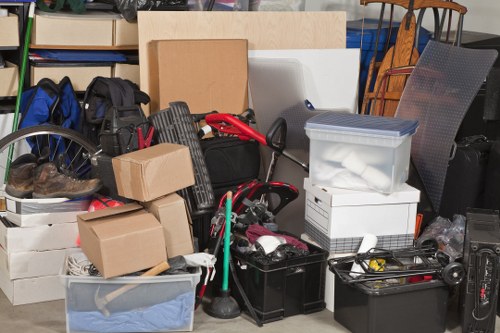
Hiring professionals for Office Clearances in London offers more than convenience. It can save time, reduce stress, and make the whole transition more manageable. In a city where office space is expensive and schedules are often tight, a well-run clearance can be a practical investment in keeping your project under control.
Some of the main benefits include:
- Less disruption: The clearance is handled efficiently, allowing your team to keep working where needed.
- Better planning: A local team understands London access, parking, and building restrictions.
- More usable space: Clearing unwanted furniture and clutter creates a cleaner, safer environment.
- Time savings: Staff do not need to spend hours moving items themselves.
- Flexible scheduling: Clearances can often be arranged around office hours, lease timings, or building rules.
- Responsible handling: Items can be sorted for reuse, recycling, or disposal where appropriate.
For commercial properties, a smooth clearance can also help with handover, refurbishment, or preparation for the next occupier. For smaller offices and home-based businesses, it can be the quickest way to reclaim space without hiring equipment or making multiple trips to disposal points. In both cases, the convenience of using a local specialist is hard to ignore.
London Access, Parking, and Building Challenges
Practical issues local teams handle every day
One of the biggest reasons to choose a London-based clearance service is practical knowledge. The city’s streets, loading restrictions, and building layouts can make a job simple in theory but complicated in practice. A team familiar with local conditions can plan ahead and avoid common delays.
Challenges often include:
- Restricted parking near offices in central and inner London
- Limited loading times on busy roads
- Lift booking requirements in managed buildings
- Stair access in older converted properties
- Security sign-in procedures and access badges
- Noise restrictions in shared office blocks
- Traffic delays that affect arrival and collection timing
These issues are not unusual, but they can slow down an office clearance if they are not planned for properly. That is why local experience matters. A good team will ask the right questions before the job starts, such as whether there is a service lift, whether parking is available, and whether items need to be removed at a specific time. If your workplace is in a busy area such as Kensington, Holborn, Waterloo, Liverpool Street, Vauxhall, or Stratford, early planning is especially helpful.
Working in occupied buildings
Many London offices share their building with other businesses. In those cases, it is important to keep hallways clear, protect communal areas, and work around other tenants where possible. A professional clearance team should be able to operate neatly and respectfully, especially in managed business centres and premium commercial properties.
Preparation Checklist Before Your Office Clearance
What customers can do to make the job easier
A little preparation can make a big difference on clearance day. Even if the service includes the physical labour, there are still a few steps that help the job run more smoothly. This is especially true for larger London offices, where access may need to be coordinated with building staff or where items are spread across multiple rooms or floors.
Useful preparation steps include:
- Decide what stays and what goes. Separate items clearly before the team arrives.
- Back up and remove data. Ensure computers, hard drives, and devices are handled according to your internal policies.
- Label sensitive items. Mark files, assets, or equipment that need special attention.
- Check building access. Confirm lift bookings, entry times, and any site rules.
- Reserve parking if possible. London parking can be limited, so it helps to plan early.
- Notify staff. Let employees know which areas are being cleared and when.
- Keep pathways clear. This speeds up removal and reduces the risk of damage or delay.
If the office is being vacated completely, it can also help to review the lease requirements so you know exactly what the landlord expects. Some premises require certain items to remain, while others need everything removed. Planning this in advance can prevent last-minute problems and extra visits.
Documents and confidential materials
Offices often contain paperwork that should not be left unattended. If there are files, records, or old documents among the items to be cleared, make sure they are separated according to your company’s policies before the clearance begins. This keeps the process orderly and helps protect sensitive information.
Pricing Factors for Office Clearances
What affects the cost of a clearance job?
Customers often want to know what influences the price of an office clearance in London. While exact costs vary from job to job, several practical factors usually affect the final quote. Understanding these points can help you compare services more confidently and avoid surprise charges.
Common pricing factors include:
- Volume of items: The more furniture and waste that needs removing, the larger the job.
- Type of items: Heavy furniture, bulky cabinets, or specialist equipment may take more time and labour.
- Access conditions: Stairs, long carrying distances, or difficult loading arrangements can affect the work involved.
- Location: Central London, busy commercial districts, and restricted sites may require more careful scheduling.
- Time required: The size of the office and the complexity of the clearance influence the manpower needed.
- Additional handling: Dismantling furniture or separating mixed waste can add to the job.
For many London businesses, the best value comes from a clear, well-planned service rather than a rushed or poorly organised one. A detailed quote should reflect the real nature of the work and explain what is included. If you are comparing options, ask for clarity on access assumptions, loading arrangements, and whether the team can handle mixed office contents in one visit.
Request a free quote if you want a straightforward estimate based on your office layout and the items to be removed.
Why Choose a Local Company for London Office Clearances?
Local knowledge, quicker planning, less hassle
Choosing a local company for Office Clearances in London can make the process much easier from the first phone call to the final sweep through the space. A local team is more likely to understand the realities of working in the city: busy roads, short parking windows, lift restrictions, tight turnarounds, and the need to work around other occupants in the same building.
There are also practical benefits for different types of premises. A clearance from a small office in a terraced property in Islington or Clapham may need careful handling up stairs and through shared hallways. A larger corporate clearance in Canary Wharf, Paddington, or the South Bank may require building coordination, timed access, and efficient removal to avoid disruption to neighbours. Local teams are often better placed to adapt to these situations quickly.
Another advantage is responsiveness. If your schedule changes, or the landlord moves the handover date, a nearby service is often easier to organise. That flexibility can be particularly helpful for:
- End-of-lease office handovers
- Urgent move-outs
- Partial clearances before refurbishment
- Post-relocation clean-ups
- Clearing surplus items after a restructure
Local businesses also tend to value straightforward communication. If you want the team to understand exactly what is in the office, how the building works, and what time access is available, working with a London-focused provider often feels more practical than dealing with someone unfamiliar with the area.
Areas Covered Across London
Serving central, north, south, east, and west London
Office clearances are carried out across a wide range of London locations, from the busiest commercial districts to outer borough business parks and converted premises. The service is relevant to both small businesses and larger organisations, and it can be tailored to different buildings, access points, and timeframes.
Common areas covered include:
- Central London
- The City
- Westminster
- Camden
- Islington
- Southwark
- Hackney
- Tower Hamlets
- Kensington and Chelsea
- Hammersmith and Fulham
- Lambeth
- Wandsworth
- Greenwich
- Lewisham
- Newham
- Brent
- Ealing
- Hounslow
- Barnet
- Richmond upon Thames
Whether your office is in a modern block near a transport hub, a shared workspace in a converted building, or a business unit on the edge of the city, a local service can usually be arranged to suit the location. If your premises are in a busy commercial area or a residential street with limited access, mention that early so the clearance can be planned properly.
FAQs About Office Clearances in London
Common questions from local customers
How long does an office clearance take?
The time needed depends on the size of the office, the number of items, and the building access. A small partial clearance may be completed relatively quickly, while a large or complex office could take much longer. A clear description of the space helps the team give a realistic plan.
Can you clear offices in occupied buildings?
Yes, many office clearances take place in buildings that are still in use. In those cases, the team works carefully around staff, neighbours, and building rules to reduce disruption. Shared lifts, reception procedures, and loading arrangements are usually considered in advance.
Do I need to move everything to one room first?
Not always. Some customers prefer to gather items together, while others ask for a room-by-room clearance. The best approach depends on the layout and how much time you have. If needed, a team can remove items directly from different parts of the office.
What happens to office furniture and equipment?
Items are usually sorted so they can be handled appropriately. Some may be suitable for reuse, while others may need recycling or disposal. If you have specific handling requirements, it is best to mention them before the clearance starts.
Can you help with a full office move-out?
Yes, office clearances are often booked as part of a move-out, refurbishment, or lease-end handover. If you need the premises emptied completely, make this clear when you enquire so the service can be planned around your deadline.
Do you handle jobs in central London with difficult access?
Yes, difficult access is common in London offices. Narrow streets, service lifts, and limited parking are all part of the job in many locations. A local team should be prepared to work around these issues as efficiently as possible.
Can I book a one-off clearance for a small office?
Absolutely. Office clearances are not just for large corporate premises. Small offices, studios, consultancies, and shared workspaces often need the same service, just on a smaller scale.
If you are planning a move, a refurbishment, or a complete vacate, book your service now and arrange a clearance that fits your schedule.
Choosing the Right Service for Your Workplace
What to look for before you book
Not every office clearance is the same, and the right service should match the size of your premises, the type of items involved, and the practical challenges of the building. Before booking, it helps to think about what matters most to your business: speed, flexibility, discretion, or a careful phased clearance over several visits.
Useful questions to ask include:
- Can the team handle both furniture and mixed office contents?
- Do they understand London access and parking restrictions?
- Can the clearance be arranged around office hours or building rules?
- Will they remove items from multiple rooms or floors?
- Can they support a full handover or just a partial clearance?
A reliable local service should make the process feel straightforward. You should be able to explain the space, agree the scope, and book a time that works for you without unnecessary complication. For busy London customers, that simplicity is often the biggest benefit of all.
Good planning saves time
When the job is planned properly, office clearance can be a smooth and efficient part of your move or refurbishment. It becomes much easier to stay on schedule, protect your staff time, and avoid last-minute disruption. If your office is ready for a clear-out, now is the right time to contact us today and get things moving.
Final Thoughts on Office Clearances in London
Office clearances are an important part of business change, and in London they often need a smart, local approach. From parking challenges and restricted access to shared buildings and tight deadlines, there are many reasons to choose an experienced team that understands how the city works. A professional clearance service can help remove unwanted furniture, equipment, and clutter quickly while keeping disruption low and the process well organised.
Whether you are a landlord preparing a commercial unit, a company moving to a new office, or a small business looking to clear out surplus items, the right service can make a significant difference. It is about more than just lifting and loading. It is about planning, communication, and handling the job in a way that suits your premises and your schedule.
If you are ready to clear your office space, request a free quote or book your service now. A well-managed office clearance can help you move forward with less stress and more confidence, wherever your London premises are located.