Council Rubbish Collection in London
Reliable help for homes, landlords, and businesses across the capital
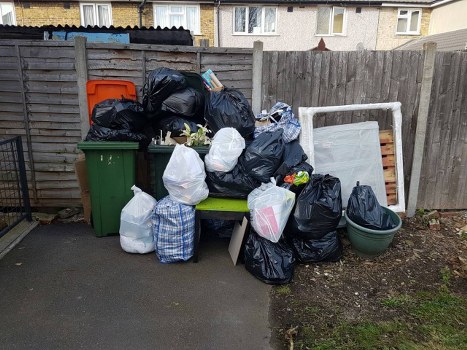
If you are dealing with unwanted rubbish, bulky items, or a growing pile of waste that your normal household collections cannot handle, council rubbish collection in London can be a practical solution. Many Londoners need support at some point, whether they live in a flat in Camden, a terraced house in Walthamstow, a converted building in Hackney, or a shop unit in Croydon. Waste builds up quickly in busy city life, and local collection services are often the most convenient way to clear it without disrupting the day.
This page is designed for real local customers looking for straightforward support. You may need help after a move, a flat clear-out, a refurbishment, a student house handover, or a shop fitting. You may also simply have items that are too large, too heavy, or not suitable for your usual bin collection. In London, access restrictions, parking limits, and controlled parking zones can make waste removal more complicated than it first appears, so a local team with city experience can make a real difference.
Book your service now if you want waste removed from your property with minimal hassle. Whether you need one-off rubbish collection, regular support for a business premises, or help managing bulky items, a local London service can save time and reduce stress while keeping your property clean and usable.
What council rubbish collection can help with

Council rubbish collection in London is often requested when standard household waste collection is not enough. It may involve one-off item removal, scheduled collections for larger amounts of waste, or support when items are too awkward for residents to move themselves. The exact service depends on the borough and the type of waste, but the goal is usually the same: to clear unwanted items safely and efficiently.
Typical requests include household clutter, broken furniture, garden waste, packaging from deliveries, and end-of-tenancy rubbish. In many parts of London, especially around high-density residential streets and estates, waste can pile up in shared areas, bin stores, alleyways, garages, basements, and communal gardens. A local rubbish collection team can deal with these situations in a tidy and organised way.
For commercial customers, the service may also help with office clearances, retail waste, stockroom clutter, restaurant back-of-house rubbish, and light construction debris. If your business is based in areas such as Shoreditch, Stratford, Kensington, Lewisham, or Hammersmith, having a nearby waste collection option can keep operations moving and help avoid clutter around entrances, loading areas, and customer-facing spaces.
Common items people ask to have collected

Many people are unsure what can be taken away, so it helps to think in practical categories. Waste collection requests often include a combination of everyday items and bulky objects that have become difficult to manage. The right team will usually assess what needs clearing and how best to handle it, especially if items are located upstairs, in a basement, or inside a narrow property.
Examples of commonly collected items include:
- Old sofas, armchairs, wardrobes, and mattresses
- Broken white goods such as fridges, freezers, washing machines, and cookers
- Boxes, bags, and general household clutter
- Office desks, chairs, filing units, and unwanted equipment
- Garden waste, branches, leaves, and outdoor debris
- DIY waste from small refurbishment projects
- Shop fittings, shelving, and light commercial waste
It is always sensible to separate ordinary rubbish from hazardous or specialist waste. Some items may need separate handling, especially if they contain chemicals, sharp materials, or electrical components. A local London service can usually advise on what can be cleared and what needs special attention, helping you avoid delays and unnecessary confusion.
Why London properties need a local rubbish collection service
London is a city of different property types, and each one brings its own waste challenges. Victorian terraces may have narrow hallways and tight front gardens. Mansion blocks and flats often rely on shared bin stores, stairwells, or lift access. New-build apartments may have strict building rules, service lifts, and timed loading windows. Commercial units may sit on busy high streets where stopping, unloading, and parking are all difficult.
These details matter because rubbish collection is not only about lifting items into a vehicle. It is about doing the job safely and with care for the property, neighbours, and surrounding traffic. A local team understands how to work around parking restrictions, one-way streets, low-emission zones, and loading bay limitations. That kind of local knowledge can save time and reduce disruption, especially in busy parts of central and inner London.
Contact us today if you need a rubbish collection arranged at a time that works around your property access and daily routine. Whether you are managing waste from a home, rental property, office, or shop, choosing a London-based team gives you a better chance of getting practical help without the usual city-centre complications.
How the service usually works

While each provider may work slightly differently, most council rubbish collection services in London follow a simple process. First, you explain what needs removing and where the items are located. Then, the team assesses the type and amount of waste, along with any access issues such as stairs, limited parking, or shared entrances. After that, a collection time is arranged and the rubbish is removed from the property.
For many customers, the biggest benefit is ease. Instead of hiring transport, moving heavy items, or trying to find help from friends or neighbours, you can arrange a professional collection and have the waste removed quickly. This is particularly useful in London flats, where carrying bulky items through communal areas can be awkward and may need careful coordination with building management.
On the day of collection, a good local team will usually aim to work efficiently and leave the area tidy. If waste is in a basement, attic, rear yard, or upper-floor room, it helps to mention this in advance. That way, the collection can be planned properly and the right equipment or manpower can be used. Good planning is especially important in the capital, where time windows can be tight and access often changes from street to street.
What is included in a rubbish collection visit

Customers often want to know what they are actually paying for, and that is a fair question. In most cases, the service includes the labour, removal of the agreed waste, loading, transport, and responsible handling of the collected materials. Depending on the job, it may also include the careful carrying of items from inside the property, which is especially useful for upstairs flats, offices, or buildings without easy lift access.
Although each job is different, a typical collection may include:
- Arrival at an agreed time window
- Assessment of the waste and access conditions
- Safe lifting and removal of agreed items
- Sorting of different waste types where appropriate
- Transport away from the property
- Basic tidying of the cleared area
Some customers only need a single bulky item removed, while others need a full room, loft, garage, or office cleared. In both cases, it helps to be clear about the size of the load and how easy it is to reach. The more accurate the information you provide, the smoother the visit is likely to be.
Preparation checklist before your collection
Getting ready for council rubbish collection in London does not need to be complicated, but a little preparation can make everything easier. If the waste is already gathered in one place, the team can often complete the job more quickly and with fewer interruptions. This is especially useful where parking is limited or where access is shared with other residents or businesses.
Before the collection, it helps to check a few practical points. If you live in a flat, make sure building access is arranged and that any necessary permissions are in place. If items are in a basement, loft, or rear garden, ensure the route is clear enough for safe carrying. For business customers, it is wise to tell staff or building managers about the planned visit so that loading areas and entry points are available when needed.
Use the checklist below to prepare:
- Separate the items you want removed from anything you wish to keep
- Move smaller waste into one accessible area if possible
- Check lift, stair, or doorway access for large items
- Note any parking restrictions or visitor bay rules
- Tell the provider about heavy, awkward, or fragile items
- Remove personal belongings from drawers, cupboards, or cabinets
- Ask building management if collection permissions are required
Good preparation can make a busy London collection run far more smoothly. It also helps to reduce delays for other residents, neighbours, or customers nearby.
Pricing factors for rubbish collection in London
Customers often want to understand what affects the cost of rubbish collection. Because every job is different, it is usually better to think in terms of pricing factors rather than assuming a fixed figure. The type of waste, the volume, the weight, and the access conditions all influence how a job is assessed. A collection from a ground-floor shop with parking nearby will usually be simpler than removing furniture from a top-floor flat with no lift.
Common factors that can affect the quote include:
- The amount of waste to be collected
- The type of items, especially heavy or awkward objects
- How far the items need to be carried
- Whether stairs, lifts, or narrow corridors are involved
- Parking and loading access outside the property
- Any specialist handling required for certain waste types
- The time and staff needed to complete the job safely
For London customers, access can be a major factor. A location in Westminster, Islington, Southwark, or the City may have very different loading conditions from a quieter suburban street in Bromley or Sutton. That is why local knowledge matters: it helps ensure the service is planned around real conditions rather than assumptions.
If you are comparing options, ask for a clear explanation of what is included and what details may affect the quote. That makes it easier to choose a service that suits your property and avoids unnecessary surprises later on.
Why choose a local London company
There are many reasons customers prefer a local company for rubbish collection. First, there is the practical side: someone who works in London every day is more likely to understand traffic patterns, parking rules, loading restrictions, and the realities of busy residential streets. Second, local providers are often better placed to respond to urgent or short-notice requests, which can be valuable when rubbish is blocking access or a deadline is approaching.
A London-based team is also usually more familiar with the wide range of local property styles. From period conversions in Fulham to warehouse offices in Whitechapel, from council estates in Greenwich to townhouses in Richmond, each setting requires a slightly different approach. That familiarity can improve efficiency and reduce the risk of damaging walls, floors, or common areas during collection.
Choosing local also matters for customer confidence. People often want a service that is straightforward, responsive, and able to explain the process clearly. A local rubbish collection provider can usually answer practical questions about access, timing, waste types, and preparation without overcomplicating things. That is especially helpful when you need action rather than vague advice.
Areas covered across London
Rubbish collection can be useful across many parts of the capital, and demand is often high in both residential and commercial districts. Customers may request collections in central areas, inner boroughs, and outer London neighbourhoods alike. The needs might differ, but the same core issue remains: unwanted waste needs to be removed safely and efficiently.
Examples of areas where people regularly seek help include:
- Central London locations such as Westminster, Camden, and the City
- Inner areas including Hackney, Islington, Southwark, Lambeth, and Tower Hamlets
- West London boroughs such as Hammersmith and Fulham, Ealing, and Kensington and Chelsea
- North London areas including Haringey, Barnet, and Enfield
- East London neighbourhoods such as Newham, Waltham Forest, and Redbridge
- South London areas including Lewisham, Greenwich, Croydon, and Bromley
Different districts come with different access conditions. Busy high streets, estate roads, permit-only parking, and low-traffic neighbourhoods can all affect how a rubbish collection is organised. This is why it helps to choose a service that knows London well and can adapt to the practical realities of the area.
Residential rubbish collection for London households
Households often need extra help when rubbish starts to build up faster than it can be managed through normal bin schedules. This can happen after decorating, decluttering, moving home, or clearing a spare room. Families may also need support after replacing appliances, children’s furniture, or large items that are difficult to break down and dispose of.
For flats and maisonettes, the challenge is often not just volume but access. There may be no convenient storage space, limited lift use, or shared corridors that need to stay clear for neighbours. A house in a terraced street may have a small front area or rear access that makes carrying items more awkward. In either case, an experienced local team can work around these constraints and remove waste with less disruption.
Request a free quote if your home has clutter, bulky items, or rubbish that is getting in the way of everyday living. Many customers simply want to reclaim space in a bedroom, hallway, loft, or shed, and a collection visit can be the fastest way to do that.
Commercial rubbish collection for businesses
London businesses often need waste removed quickly so that premises remain safe, tidy, and presentable. Offices may need old desks, broken chairs, and unwanted IT equipment collected. Shops may need packaging, display units, or backroom clutter cleared. Hospitality venues may generate waste from refurbishments, storage changes, or equipment replacements. In each case, the goal is to keep the property functioning with minimal interruption.
For commercial customers, timing can be crucial. Early morning, evening, or off-peak collections may be more suitable, especially where customers, staff, deliveries, or building management schedules need to be considered. Loading access in areas like Soho, Canary Wharf, King’s Cross, or Clapham can be tight, so advance planning is often the difference between a smooth collection and a stressful one.
Businesses also benefit from using a local provider that understands the pressure of keeping spaces operational. A cleaner stockroom, clear fire exits, and tidier frontage are not just nice to have; they help support day-to-day trading and reduce avoidable clutter.
Responsible handling and practical waste awareness
Good rubbish collection is not only about removing items from a property. It is also about handling the waste in a sensible and responsible way. Many customers appreciate clear, practical advice on separating reusable items, general waste, and items that require specialist handling. This is especially relevant when clearing mixed loads from homes, offices, or rental properties.
Where possible, waste should be sorted and processed appropriately rather than simply thrown together. Some items may be suitable for reuse or recycling, while others need careful disposal because of their material type or condition. If you are unsure about something, it is better to mention it in advance so the team can advise on the best approach.
Being clear about the waste type helps make the collection faster, safer, and more straightforward. It can also reduce the chance of delays if a collection includes mixed items from different rooms or work areas.
Typical customer questions before booking
Many customers ask similar questions before arranging council rubbish collection in London, especially if it is their first time using a local service. These questions often relate to access, item types, timing, and what they need to do before the team arrives.
Do I need to move everything outside first?
Not always. Some collections are easier if waste is already grouped near the entrance, but many providers can collect items from inside the property if this has been arranged in advance.
Can large furniture be taken from upstairs?
Yes, in many cases it can, provided the access route is safe and the team knows about it beforehand. Stairwells, narrow landings, and shared areas should always be mentioned early.
What if parking is difficult?
Parking and access are common issues in London. A local provider can usually plan around permits, loading bays, time restrictions, and limited stopping space if given the relevant details in advance.
Can I book for a rental property or end-of-tenancy clearance?
Yes. Landlords, letting agents, and tenants often need rubbish removed between occupiers, after a move-out, or before a property is re-let.
When council rubbish collection is especially useful
There are many situations where a rubbish collection service becomes more than a convenience. If waste is blocking a hallway, filling a garden, creating a problem in a communal area, or delaying a move, then quick removal can restore order and reduce stress. In busy London households, one job can quickly become a priority if it affects access or usability.
Common situations include:
- After a house move when packaging, broken items, or leftover furniture need clearing
- Following a refurbishment or decorating project
- When a spare room, loft, shed, or garage has become overfilled
- At the end of a tenancy, especially where items have been left behind
- Before or after an office relocation
- When a business needs old stock or fittings removed to create space
- After delivery delays or bulk purchases that leave excess packaging
For many Londoners, the biggest benefit is simply getting space back. That might mean a clearer hallway, a usable spare room, a safer workplace, or a tidier outdoor area. The practical value is immediate, which is why so many residents and business owners look for a collection service they can arrange without delay.
How to choose the right rubbish collection service
When comparing providers, it helps to focus on practical points rather than vague promises. A good service should be clear about what it can collect, how the visit is arranged, and what information it needs from you. That makes it easier to compare like with like and choose a team that suits your property and schedule.
Look for a provider that can explain:
- What types of waste they handle
- How access and parking affect the collection
- What preparation is helpful before the visit
- Whether items can be removed from inside the property
- How the job is planned for homes or commercial premises
- What happens if the load is larger than expected
For London customers, local knowledge and clear communication are especially valuable. A provider who understands the city’s roads, building layouts, and parking conditions is better equipped to give realistic advice and complete the collection efficiently.
FAQs about council rubbish collection in London
Is council rubbish collection suitable for bulky items?
Yes, many services can remove bulky household or business items, although the exact arrangements depend on the waste type and access conditions.
Can I arrange collection for a flat with no lift?
Yes, but it is important to mention stair access in advance so the team can plan properly and allow enough time and manpower.
Do I need to sort all the waste before the visit?
It helps to separate items you want removed from those you want to keep. If waste is mixed, let the provider know so they can advise how best to prepare.
Can rubbish be collected from gardens, basements, or lofts?
In many cases, yes. These locations are common across London, but access should always be explained clearly when booking.
Do businesses use rubbish collection services too?
Absolutely. Offices, shops, hospitality venues, landlords, and building managers regularly need waste cleared from commercial premises.
What if I only have one or two items?
Single-item collections are often possible. This can be useful for mattresses, wardrobes, appliances, and other bulky belongings that are hard to dispose of on your own.
Ready to clear unwanted rubbish?
Whether you are clearing a home in North London, making space in a South London flat, or removing commercial waste from a busy high street, a local rubbish collection service can make the process much easier. The key is choosing a provider that understands London properties, works around access challenges, and offers a straightforward service from start to finish.
If you want less clutter, a tidier property, and a practical way to deal with unwanted waste, contact us today to discuss your collection needs. From one-off clearances to regular support for homes and businesses, a reliable local team can help you move forward without the usual hassle.
Book your service now and take the next step toward a cleaner, clearer space in London.