Bulky Waste Collection in London
If you need bulky waste collection in London, you are probably dealing with items that are too large, too heavy, or too awkward to get rid of yourself. From old wardrobes and mattresses to broken sofas, white goods, office furniture, and renovation offcuts, bulky waste can quickly become a problem in busy homes, shared buildings, and commercial premises across the city. A local collection service helps take away the stress, the lifting, and the logistics, so you can clear space without turning your day upside down.
London properties come in all shapes and sizes, from period terraces and converted flats to estates, high-rise apartment blocks, shop units, restaurants, schools, and offices. That means waste removal is rarely simple. Narrow stairwells, controlled parking zones, basement access, lift restrictions, and timed collections can all make disposal difficult. A professional team that understands bulky item removal London customers need can make the process smoother, faster, and far less disruptive.
Whether you are clearing one large item or several loads of mixed clutter, this service is designed to help households, landlords, agents, facilities teams, and businesses deal with unwanted goods in a practical way. If you are looking for a reliable bulky waste collection London solution, the sections below explain what is included, how it works, what to prepare, and why using a local team can save time and effort.
What bulky waste collection covers
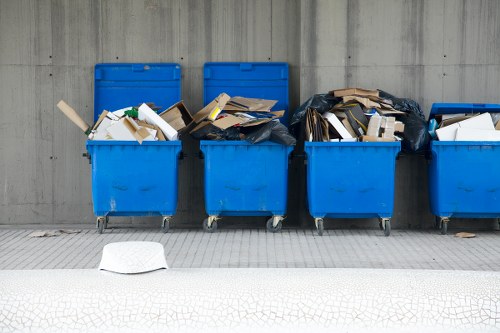
Bulky waste usually means items that cannot be handled through regular household bins or standard recycling containers. In London, this often includes furniture, appliances, and other large household or commercial items that need lifting equipment, a suitable vehicle, and proper disposal arrangements. The exact items accepted can vary by provider, but a typical large item collection service may handle a wide range of materials.
Common examples include worn-out sofas, armchairs, beds, mattresses, wardrobes, tables, dining chairs, bookcases, chests of drawers, carpet rolls, and rugs. For kitchens and utility rooms, it may also include fridges, freezers, washing machines, tumble dryers, dishwashers, microwaves, and other white goods. Many customers also use the service for office desks, filing cabinets, shelving, conference chairs, and outdated equipment.
Beyond furniture and appliances, there are plenty of other situations where bulky rubbish removal is useful. It can cover exercise equipment, garden furniture, shed contents, shelving from garages, excess packaging from refurbishments, and similar awkward items. If you are unsure whether something can be collected, it is best to ask in advance so the team can advise on the safest and most suitable method.

Why London customers use a local bulky waste service
London creates unique challenges that make a local collection team especially valuable. Parking can be limited, loading bays may have restrictions, and some streets are difficult for larger vehicles to access. In many areas, the difference between a smooth pickup and a frustrating delay comes down to local knowledge and good planning. A team experienced in London bulky waste collection understands how to work around these issues in a practical way.
For residents, the biggest benefit is convenience. You do not need to borrow a van, recruit friends to help with lifting, or waste time trying to work out where and how to dispose of an item legally. For landlords and managing agents, using a structured bulky item collection London service helps keep properties presentable between tenancies and can reduce complaints about abandoned furniture in communal spaces.
Commercial customers also benefit from a local service that can work around business hours, manage collections from loading areas, and deal with larger quantities of unwanted equipment. Offices in central London, retail units in high streets, restaurants, cafes, and shared workspaces often need a flexible clearance option that keeps disruption to a minimum while still taking care of the heavy lifting.
What is included in the service
A good bulky waste collection should do more than simply turn up with a vehicle. Customers usually want a service that is efficient, careful, and clear about what happens from start to finish. When you book a bulky waste collection in London service, you can typically expect support with loading, transport, and responsible disposal of the items removed.
Many services include collection from inside the property, from a front garden, from a communal area, or from a designated loading point, depending on access and safety. That can be especially helpful in flats with stairs, basement rooms, shared corridors, or office premises with tight access. Some jobs may require disassembly of furniture where practical, such as bed frames or modular wardrobes, to make removal easier and safer.
Customers also value the sorting and disposal side of the process. Rather than simply taking everything away and leaving you to worry about it, a professional team will usually separate reusable, recyclable, and non-recyclable materials where possible. This is an important part of responsible bulky waste disposal London customers increasingly expect, particularly when dealing with items that contain metal, wood, textiles, or electrical components.

How the collection process works
The process is usually straightforward, which is one reason many people prefer to book a local team rather than attempt the job themselves. First, you describe the items you want removed and provide details about access, such as floor level, parking restrictions, lift availability, or any narrow entrances. This helps the team understand the job and plan the right vehicle and crew for the collection.
Next, a collection time is arranged. For households, that might mean a morning or afternoon slot that fits around work, school runs, or deliveries. For businesses, the timing may need to align with opening hours, customer traffic, or site rules. A well-organised bulky item removal service should make the booking process easy and practical rather than complicated.
On the day, the team arrives, confirms the items to be removed, and carries out the loading safely. If the job involves multiple items, they may work room by room or from a central collection point, depending on what is easiest and safest. Once everything is loaded, the waste is taken away for sorting and disposal, leaving you with a clear space and one less task to manage.
Common bulky waste items collected across London
Bulky waste can build up in many different types of property, and London residents often have varied reasons for needing collection. Some people are moving home and need to clear out old furniture before handing over the keys. Others are replacing broken appliances or dealing with an inherited property that contains items no longer needed. Businesses may be upgrading workspaces, closing a branch, or clearing a storage room that has accumulated years of surplus materials.
Typical items collected include:
- Sofas, sofa beds, armchairs, recliners, and footstools
- Beds, mattresses, divan bases, and headboards
- Wardrobes, cupboards, chests of drawers, and bedside cabinets
- Dining tables, chairs, coffee tables, and shelving units
- Fridges, freezers, cookers, washing machines, and dishwashers
- Office desks, chairs, filing cabinets, and reception furniture
- Garden furniture, sheds contents, and outdoor storage items
- Carpet, underlay, and other large home-clearance materials
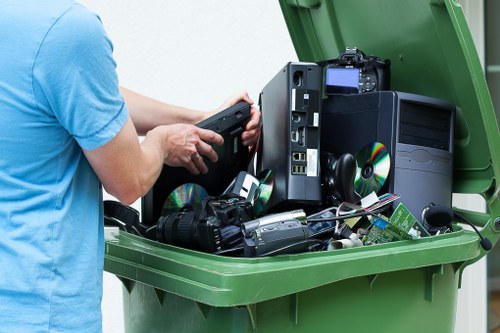
Important: some items may require special handling, and certain hazardous materials are not suitable for standard collection. If you have electrical items, heavy stone fixtures, or anything that may need separate disposal, it is wise to mention this at the enquiry stage so the service can advise you properly.

Local property types and access issues in London
One of the biggest reasons customers choose a professional bulky waste collection London service is the sheer variety of property layouts found across the city. In a top-floor flat in Camden, a collection may involve stairwells and limited turning space. In a townhouse in Kensington or Islington, the challenge may be narrow halls and controlled street parking. In areas such as Stratford, Wembley, Croydon, or Lewisham, access might be easier on paper but still require careful timing around shared entrances or building rules.
Commercial properties present different difficulties. Offices in the City or Canary Wharf may have loading restrictions and strict building management procedures. Restaurants and cafes often need collections outside trading hours to avoid disruption. Schools, clinics, and public-facing venues may need quiet, tidy removal work with minimal interruption to daily operations. A local team used to working across London is more likely to understand these details and plan accordingly.
That local understanding matters because bulky waste collection is not only about lifting items. It is also about arriving at the right time, using the correct access route, managing parking sensibly, and carrying out the work without creating unnecessary inconvenience for neighbours, staff, or residents. For many customers, that level of practical awareness is just as important as the removal itself.
Why choosing a local company makes a difference
There are many reasons to choose a local team when arranging bulky waste collection in London. First, they are more likely to know the area, the traffic patterns, and the common access limitations in different boroughs. This helps reduce delays and makes it easier to schedule collections around busy streets, school runs, congestion windows, and parking restrictions.
Second, local operators are often better placed to offer practical customer service. If you need a collection from a flat above a shop, a basement office, a managed block, or a residential road with permit parking, a local team can ask the right questions before the appointment and avoid unpleasant surprises on the day. That makes the whole service feel more reliable and less stressful.
Third, a local company is typically better suited to mixed neighbourhood needs. London contains everything from compact city apartments and mansion blocks to terraced houses, house shares, warehouses, and business parks. A team that regularly works across the capital is more likely to be comfortable handling this mix of property types and access conditions with a professional approach.
What good service looks like
When people look for a bulky waste removal service, they usually want a few key things: clear communication, punctual arrival, careful handling of items, fair pricing factors explained in advance, and a tidy finish. In a city as busy as London, those basics make a big difference. Good service also means being realistic about what can be collected, what needs extra handling, and how the job will be carried out safely.
It should feel easy to ask questions and get straightforward answers. If you are comparing options, look for a provider that explains access requirements, collection windows, vehicle suitability, and disposal arrangements in plain language. A helpful service should make it simple to request a quote, book a slot, and prepare the items so the collection can be completed efficiently.
Customer benefits at a glance
Here is why many London customers prefer a dedicated bulky collection option:
- Saves time compared with arranging self-transport
- Reduces physical strain and lifting risk
- Helps clear space quickly in homes and businesses
- Useful for one-off items or multiple large loads
- Works well for properties with awkward access
- Supports responsible disposal and sorting
How to prepare for your collection
Preparing properly can make the collection faster and help avoid delays. You do not need to do everything yourself, but a little organisation goes a long way. Start by identifying exactly what needs to go, and separate the items that are definitely being removed from anything you want to keep. This is particularly useful in shared flats, storage rooms, or offices where items can easily be mixed together.
Where possible, clear a route to the items so the crew can move them out safely. In London properties, this might mean opening gates, unlocking communal doors, moving parked bikes, or ensuring that corridors are not blocked by boxes or pushchairs. If you live in a flat, it can help to let building management know about the expected arrival time, especially if there are access rules or lift booking procedures.
It is also sensible to check for any items that may need special attention. For example, appliances may need to be emptied and disconnected, and beds or wardrobes may be easier to move if they are partially dismantled. A professional bulky waste collection team can often advise on this in advance, which makes the process more efficient on the day.
Preparation checklist
- Identify all items to be removed
- Separate keep items from waste items
- Check access routes, doors, and lift availability
- Remove small loose contents from furniture or appliances
- Tell the team about stairs, parking, or time restrictions
- Make sure someone is available if access confirmation is needed
Tip: If you are dealing with a large clear-out, take a few photos before booking. This can help the team understand volume, item type, and access conditions more accurately.
Pricing factors for bulky waste collection in London
People often ask how pricing is worked out for bulky waste removal. While exact costs can vary by provider, there are several common factors that influence the quote. The main consideration is usually the amount and type of waste. A single mattress is very different from a full living room set, a large office clear-out, or a mixed load of furniture and appliances. The more items and the heavier the load, the more time and vehicle space may be required.
Access also matters. A ground-floor pickup with straightforward parking is simpler than a collection from a fourth-floor flat with no lift and a long carry distance. Likewise, a site with loading restrictions, congestion, or shared entrances may require extra planning. If a team needs to dismantle large items, carry them a long distance, or work within a tight time window, that can affect the final quote.
The disposal route can also play a role. Some items may be recyclable, while others require special processing. Mixed loads can take longer to sort. This is why customers are usually asked to give a clear description of what they need removed. A good provider should explain the main pricing factors clearly so you know what is included before you commit.
When a bulky collection is especially useful
Many London customers use this service during home moves, spring cleaning, office refurbishments, end-of-tenancy clearances, and post-renovation tidy-ups. It is also helpful after a loft conversion, kitchen replacement, or commercial reconfiguration where old fixtures and fittings are no longer needed. In each case, the aim is the same: remove large unwanted items efficiently so the space can be used properly again.
For landlords and letting agents, a bulky waste collection in London can be a practical way to deal with items left behind by previous occupants. For homeowners, it can help reclaim a spare room, garage, basement, or loft. For businesses, it can make office resets and fit-outs run more smoothly by removing redundant furniture and equipment without slowing the project down.
Areas covered across London
A local bulky waste service should be able to cover a wide area across the capital, including central, north, south, east, and west London. Because customers live and work in different boroughs, flexibility is important. Collection requests may come from busy city streets, residential estates, suburban terraces, riverside apartments, industrial units, or mixed-use developments.
Typical areas include, but are not limited to, Westminster, Camden, Islington, Hackney, Tower Hamlets, Southwark, Lambeth, Greenwich, Lewisham, Wandsworth, Hammersmith and Fulham, Kensington and Chelsea, Brent, Ealing, Hounslow, Barnet, Haringey, Richmond, Merton, Sutton, Croydon, Newham, Redbridge, Enfield, and many surrounding neighbourhoods. The key benefit of a London-wide service is that it can support different property types and access conditions without forcing customers to search for multiple providers.
If your area has unusual parking restrictions, estate management rules, or narrow access roads, it is worth mentioning this when you request a quote. That helps the team plan a collection that fits your street and building rather than assuming a standard setup. Local knowledge is especially valuable in places where timing and access can be just as important as the waste itself.
Environmental responsibility and disposal standards
Customers increasingly want to know that bulky waste is being handled properly. That is especially true for furniture, appliances, and mixed items containing different materials. Responsible disposal means more than taking the waste away; it involves sorting items where possible, separating recyclable materials, and ensuring that waste is routed through appropriate facilities. This reduces unnecessary landfill use and supports better handling of reusable resources.
For households, this gives peace of mind that old furniture and appliances are not simply being dumped. For businesses, it helps show that clear-out work is being managed responsibly, which matters when reducing waste from refurbishments or office changes. If you are booking a bulky rubbish collection London service, it is sensible to ask how items are processed after collection so you feel comfortable with the service you are choosing.
Responsible disposal should always be part of the service, not an extra afterthought. That is why many customers look for a local team that can explain how mixed loads are separated, how recyclable material is handled, and what happens to items that cannot be reused. Even if you only need a single collection, it is reassuring to know the job is being managed properly from start to finish.
FAQs about bulky waste collection in London
What counts as bulky waste?
Bulky waste usually refers to large items that cannot go in normal bins, such as sofas, mattresses, wardrobes, tables, appliances, office furniture, and similar awkward objects. If you are not sure about a specific item, describe it when you enquire and ask whether it can be collected.
Can you collect from flats and upper floors?
Yes, many collections involve flats, maisonettes, and upper-floor properties. The team will usually need to know about stairs, lifts, corridors, and parking so they can plan the job properly. In some cases, access information will affect the time required for the collection.
Do I need to move the items outside first?
Not always. In many cases, items can be collected from inside the property, a communal area, or another agreed pickup point. However, easier access can make the collection quicker, so it helps to confirm the arrangement in advance.
Can businesses book bulky waste collection too?
Absolutely. Offices, shops, hospitality venues, schools, clinics, and other commercial premises often need large-item removal. A professional service can work around business needs, access restrictions, and timing requirements.
What if I have a mix of furniture and appliances?
Mixed loads are common. Just make sure you list the items clearly when requesting a quote so the team can estimate the space and access requirements accurately. Some appliances may need disconnecting or extra handling before collection.
How do I know if the collection is the right size for my job?
If you are unsure, provide photos or a detailed item list. This helps the service assess whether it is a single-item collection, a partial clear-out, or a larger job. A good provider should be able to advise you on the most suitable option.
When to book your service
If bulky waste is taking up valuable space, delaying the collection usually makes the problem worse. Old furniture can block rooms, appliances can get in the way of renovations, and unused office items can reduce storage efficiency. The best time to arrange a collection is often as soon as the need becomes clear, especially if you are working to a move-out date, refurbishment schedule, or tenancy deadline.
London customers often need flexible booking because schedules can be tight and access windows may be limited. Booking early gives you more choice, but last-minute clearances can also be useful when plans change suddenly. Whether you are dealing with one oversized item or a full room of clutter, it makes sense to request a free quote and discuss the job as soon as possible.
Ready to clear the space? Contact us today, request a free quote, and book your service now for a practical bulky waste collection in London that fits your property, access, and schedule. If you need help with home or business clearance, a local team can take care of the heavy lifting while you get on with the rest of your day.