Commercial Waste Collection in London
Reliable Waste Services for London Businesses

Running a business in London means dealing with more than customers, deliveries, and deadlines. It also means handling waste in a way that is tidy, compliant, and convenient for your team. Commercial waste collection in London is essential for offices, shops, restaurants, salons, workshops, warehouses, and many other premises that generate regular business waste. Whether you manage a small unit in a busy high street, a multi-floor office near the City, or a hospitality venue in central London, the right collection service helps keep operations moving without disruption.
Local businesses often need a collection arrangement that works around traffic, limited loading space, shared bins, and strict building access rules. That is why a London commercial waste collection service needs to be practical as well as dependable. From planned bin emptying to flexible uplift schedules, the service should fit the realities of operating in the capital. A well-managed collection service can help reduce overflow, improve hygiene, and make waste handling simpler for staff.
For many customers, the priority is not just removing rubbish. It is having a service that understands the pace of London business life, offers straightforward scheduling, and can deal with the different waste streams produced by commercial premises. If you are looking for a company that can support your day-to-day waste management, it helps to know what is included, how it works, and what makes a local provider useful in this city.
What Commercial Waste Collection Covers
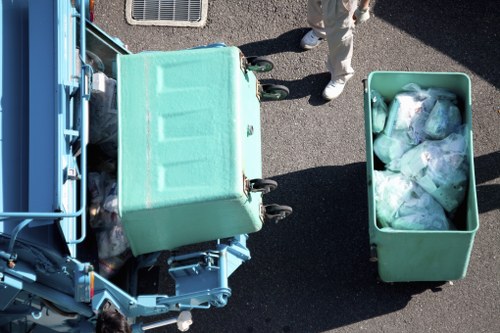
Commercial waste collection covers a wide range of non-domestic waste generated by businesses and organisations. This can include everyday general waste, recyclable materials, food waste, packaging, and other routine business refuse. In London, where commercial buildings vary from compact shopfronts to large office developments, waste needs can look very different from one site to the next.
A suitable service is usually tailored to the type of premises and the amount of waste produced. For example, a café in Shoreditch may need frequent food waste collections and cardboard removal, while an office in Canary Wharf may need regular dry mixed recycling and general waste services. A retail store in Kensington may need a predictable collection schedule to avoid waste building up during peak trading periods, and a warehouse in North London may need larger containers with clear access arrangements.
Typical business waste collection services in London may include:
- General commercial refuse collection
- Mixed recycling collections
- Cardboard and paper waste
- Food waste collection
- Glass waste collection for hospitality venues
- Bulky waste removal from business premises
- Scheduled bin emptying and container uplift
Suitable for many property types
The service is relevant for offices, shops, restaurants, pubs, hotels, takeaways, warehouses, salons, clinics, schools, estates, and managed buildings. London’s property mix is one reason a local commercial waste provider matters so much. The needs of a basement unit in Camden are not the same as those of a business park in East London or a restaurant near Westminster. A flexible collection arrangement helps accommodate those differences without creating extra work for your team.
Why Local Knowledge Matters in London

London presents practical challenges that are easy to overlook until you have to arrange waste collection on a daily or weekly basis. Busy roads, permit restrictions, red routes, limited parking, narrow alleyways, mixed-use buildings, and timed access windows can all affect how efficiently waste is collected. A local team with experience across the capital is better placed to plan around these issues and keep collections running smoothly.
In areas such as Westminster, the West End, the City, Southwark, Hackney, and parts of inner North and East London, access can be just as important as the collection itself. Some sites have shared loading bays, underground bin stores, or strict building management rules. Others may have no easy place for a truck to stop. These situations call for a provider that understands how to work around real-world constraints rather than treating every site the same.
There is also a customer service benefit to using a local company for commercial waste collection in London. If your business has an urgent issue, needs to adjust a pickup day, or is dealing with a temporary increase in waste, it helps to speak to a team that already understands the local area and the pressures of operating in it. That makes communication easier and the service more responsive.
Built around London business realities
Local knowledge matters because it affects timing, access, and reliability. A collection plan for a Covent Garden restaurant may need early-morning pickups to avoid foot traffic. An office near Liverpool Street may need collections outside peak commuting hours. A retail unit in South London may need extra consideration for shared access with neighbouring businesses. These small details can make a big difference to day-to-day operations.
Who Uses Commercial Waste Collection Services?

Commercial waste collection is not just for large organisations. Many small and medium-sized businesses in London rely on regular collections to keep their premises clean, safe, and presentable. It is especially useful for businesses that do not have the storage space or staff time to manage waste themselves.
Common customers include:
- Independent shops and chain retailers
- Office managers and serviced office operators
- Restaurants, cafés, bars, and takeaways
- Hotels and guest accommodation
- Gyms, salons, and wellness businesses
- Medical, dental, and professional practices
- Workshops, studios, and light industrial units
- Schools, colleges, and training centres
- Landlords and property managers overseeing commercial units
Many of these customers share similar needs: dependable collections, clear waste separation, tidy storage areas, and a service that does not interrupt business hours. For businesses with customers visiting in person, waste management is also part of the image you present. Overflowing bins or blocked access points can create the wrong impression, especially in visible areas such as central London retail streets, mixed-use developments, and hospitality hotspots.
Commercial waste collection in London is therefore as much about presentation and workflow as it is about disposal. A well-managed service helps keep front-of-house areas clean and back-of-house spaces organised, which supports both staff and customers.
Useful for growing businesses
If your business has recently expanded, added new services, or moved to a larger premises, your waste volumes may have changed. A collection service can be adjusted to reflect those changes, helping you avoid the common problem of using a setup that no longer fits your operation.
What Is Included in the Service?

A good commercial waste collection service should be clear and practical from the start. While exact arrangements vary by site and waste type, most customers want to know what happens once the collection schedule is agreed. The aim is to remove business waste efficiently, keep the premises tidy, and make sure the process is straightforward for staff.
Depending on the provider and the needs of the property, the service may include:
- Agreed collection days and time windows
- Supply of suitable bins, sacks, or containers
- Waste segregation support where needed
- Uplift of general waste and recyclable materials
- Food waste and glass waste services for appropriate businesses
- Collections from internal or external bin stores where access allows
- Flexible changes if your waste output changes
Many London businesses also value the simplicity of working with one provider for multiple waste streams. Instead of managing several different arrangements, they can coordinate general rubbish, recycling, and food waste through a single schedule. This can be particularly useful for busy hospitality venues, offices with fluctuating occupancy, or premises with several tenants sharing waste storage.
The best service is one that matches the site and the waste profile, rather than forcing the business to fit a rigid system. If you need collections for a narrow mews property in Chelsea, a basement unit in Holborn, or a shared service yard in Stratford, the collection plan should reflect those site conditions.
How the Process Usually Works
For customers arranging commercial waste collection in London for the first time, the process should feel simple and manageable. Most businesses want a service that starts with a clear discussion about waste types, collection frequency, and site access. Once those details are understood, the provider can recommend a suitable arrangement.
A typical process may look like this:
- Initial enquiry – You describe your business, location, and waste needs.
- Site or access review – The provider considers bin storage, vehicle access, and any building restrictions.
- Service setup – Collection frequency, container type, and waste streams are agreed.
- Regular collections – Waste is removed on the arranged schedule.
- Ongoing adjustments – The service can be reviewed if your volumes increase or decrease.
For many premises, the most important factor is consistency. Businesses need to know that waste will be collected on time and that the site will remain clean enough for staff, customers, and contractors. That is especially true in locations where storage space is limited, such as older buildings in central London, converted offices in Southwark, or small retail units in busy high streets.
Clear communication also matters. If a collection point is inside a courtyard, behind a locked gate, or shared with other tenants, everyone involved should know what is expected. A good local provider will work with those arrangements rather than creating friction for the building or business.
Benefits for London Businesses
There are several reasons why businesses choose a regular commercial waste service rather than trying to manage waste informally. In London, the benefits are especially noticeable because space is limited and operating conditions can be demanding.
Key benefits include:
- Cleaner premises – Waste is removed before it can pile up or affect customer areas.
- Better hygiene – Particularly important for food-related businesses and shared buildings.
- Improved staff efficiency – Teams spend less time dealing with bins and more time on their work.
- Reduced disruption – Collections can be arranged around opening hours and delivery schedules.
- More professional appearance – A tidy waste area supports the image of the business.
- Practical compliance support – Keeping business waste separate and collected properly helps meet local expectations.
In a city with high footfall and tight schedules, these advantages are valuable. A restaurant in Soho may need waste removed before lunch service. An office near Bank may need collections when loading access is available. A retailer in Islington may need to avoid waste pile-ups during busy trading periods. The right collection service helps businesses stay organised in all of these situations.
For many customers, the real benefit is peace of mind. Knowing that waste is being handled regularly and professionally removes one more operational task from an already busy day.
What Affects the Price?
Customers often want to understand what influences the cost of commercial waste collection in London. While exact prices vary and should always be confirmed directly, the main pricing factors are usually straightforward. Knowing them can help you compare services fairly and choose the right level of support for your business.
Common factors include:
- Waste volume – More waste usually means a larger bin or more frequent collection.
- Waste type – General waste, recycling, food waste, and special streams may be handled differently.
- Collection frequency – Daily, weekly, or less frequent pickups all affect the arrangement.
- Site access – Difficult parking, restricted loading, or long carry distances may influence the service setup.
- Container size and number – Larger or multiple bins may be needed for higher output sites.
- Location and travel logistics – Central and busy London locations may require careful scheduling.
It is often worth reviewing your waste habits before requesting a quote. Some businesses discover they are paying for a setup that no longer reflects their actual needs. Others find that better segregation reduces the amount of general waste they produce. If your business is in a shared building or mixed-use development, there may also be opportunities to improve storage and collection efficiency with a better arrangement.
When you request a quote, be ready to explain the size of the premises, the type of business, how much waste you generate, and any access restrictions. The more accurately the service is scoped, the easier it is to provide a sensible recommendation.
Preparation Checklist Before Your First Collection
Good preparation helps the first collection go smoothly and sets the service up for success. It is especially useful in London, where premises may have shared entrances, loading restrictions, or strict building rules. A few simple checks can save time later and reduce confusion for staff.
Preparation checklist:
- Confirm where bins or waste containers will be stored.
- Check whether the collection vehicle can access the site safely.
- Make sure staff know which waste goes into which container.
- Keep access routes clear on collection days.
- Inform building management if permission or permits are needed.
- Review whether you need general waste, recycling, food waste, or all three.
- Identify any peak times when collection should avoid customer traffic.
If your premises are in a busy area such as Camden, Westminster, Paddington, Brixton, or the South Bank, access can change throughout the day. It helps to plan around these conditions rather than assume waste can be collected at any time. For premises with limited storage, you may also want to review how often waste is generated so the collection schedule stays aligned with your needs.
Preparation also helps staff. When the process is clear, teams are more likely to separate waste correctly and keep storage areas tidy. That reduces contamination in recycling streams and helps avoid overflowing bins.
Areas Covered Across London
Businesses seeking commercial waste collection in London often need a provider that can cover a wide area while still understanding the character of each district. London is a large, varied city, and waste collection requirements can differ from one borough to another.
Services are commonly needed in:
- Central London, including Westminster, Holborn, the Strand, and the West End
- The City and surrounding commercial districts
- North London areas such as Camden, Islington, Haringey, and Barnet
- East London locations including Hackney, Tower Hamlets, Newham, and Waltham Forest
- South London areas such as Lambeth, Southwark, Wandsworth, Croydon, and Lewisham
- West London including Kensington and Chelsea, Hammersmith, Ealing, and Hounslow
Coverage across the capital is helpful because many businesses operate across more than one site. A company with a head office in central London and a storage unit in East London may want a service that can support both. Likewise, landlords and managing agents often need a consistent waste arrangement across multiple commercial units in different districts.
Local area familiarity also matters when dealing with parking limits, shared access, and building schedules. A provider that already works across London is more likely to anticipate those practical issues and plan the collection accordingly.
Why Choose a Local Commercial Waste Company?
Practical support that fits your premises
There are many reasons why local customers prefer a London-based waste collection company. For one thing, the service tends to be more responsive to the way businesses here actually operate. In a city like London, punctuality, access, and flexibility are essential. If a provider understands those pressures, the whole arrangement becomes easier to manage.
Another reason is continuity. Local teams are often more familiar with repeat collection points, estate rules, and the logistics of different areas. That experience helps reduce missed pickups and unnecessary delays. It can also make it easier to adjust the service if your business changes trading hours, adds new waste streams, or takes on more floor space.
For customers managing busy commercial premises, a local service can also be more practical during seasonal peaks. Restaurants may produce more waste during holiday periods, retailers may need extra removals during sales events, and offices may need temporary changes after refurbishments or internal moves. A provider close to your area is generally better placed to respond quickly.
Useful for occupied buildings and managed estates
Many London businesses operate from buildings with shared entrances, concierge teams, estate rules, or landlord requirements. A local provider is more likely to understand those arrangements and work within them. That reduces friction for tenants and helps keep the building environment orderly.
Frequently Asked Questions
What types of waste can be collected?
Most business waste services handle general waste, mixed recycling, cardboard, and food waste, with some also offering glass waste or other specialist streams depending on the premises.
How often can collections be arranged?
Collection frequency depends on your waste output and site access. Some businesses need several pickups per week, while others only need one scheduled visit.
Do I need separate bins for different waste types?
In many cases, yes. Separate containers make it easier to manage recycling properly and keep waste streams organised. Your provider can advise on what works best for your site.
Can the service work around opening hours?
Often, yes. Many London businesses prefer collections before opening, after closing, or during quieter periods to avoid disruption.
What if my premises are hard to access?
This is common in London. Narrow streets, restricted parking, and basement or courtyard locations are all manageable with the right planning. It helps to explain access details when arranging the service.
Can I change the collection schedule later?
Yes, in most cases. Waste volumes can change over time, especially for growing businesses, hospitality sites, or premises with seasonal demand. A flexible service should allow for review and adjustment.
Is commercial waste collection suitable for small businesses?
Absolutely. Many small shops, studios, offices, and cafés rely on regular collections because they do not have the space or staff capacity to manage waste internally.
Choose a Service That Works for Your Business
When you need commercial waste collection in London, the most important thing is finding a service that matches your premises, your waste output, and your day-to-day operating needs. London businesses vary widely, from compact independent shops to large multi-tenant buildings, and waste collection should be tailored rather than generic.
Look for a provider that can handle:
- Regular and flexible collection schedules
- General waste and recycling requirements
- Access issues common to London streets and buildings
- Practical support for busy commercial environments
- Clear communication when your needs change
If your business is dealing with overflowing bins, limited storage, or a collection arrangement that no longer suits the site, now is a good time to review your options. A better setup can improve hygiene, reduce stress for staff, and keep your premises looking professional.
Request a free quote, contact us today, or book your service now to arrange commercial waste collection that fits your London premises and your working schedule.